U.S. consumer inflation reached a three-year high in April, primarily driven by significant increases in energy costs associated with the ongoing conflict in the Middle East. According to the Bureau of Labor Statistics, the overall consumer price index (CPI) rose by 3.8% compared to the previous year, an increase from 3.3% in March.
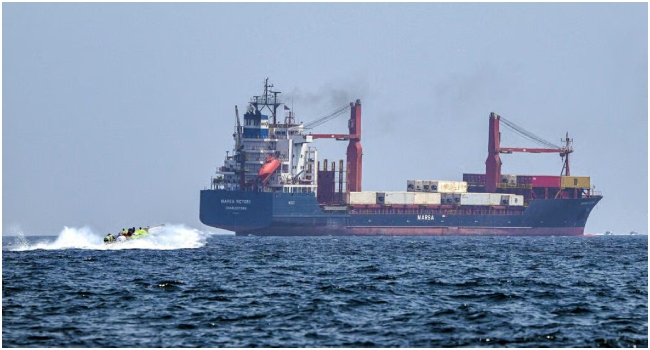
The intensification of hostilities between Israel and Iran has resulted in Iranian forces targeting U.S. regional partners and effectively closing the Strait of Hormuz. This narrow waterway is crucial, as it typically facilitates the passage of approximately one-fifth of the world’s oil and natural gas. The disruption has led to a surge in international energy prices, with U.S. energy prices rising by 17.9% year-on-year in April, marking the largest category gain in the CPI basket.
In addition to energy costs, food prices also experienced an increase, rising by 3.2% over the same period. The core CPI, which excludes the more volatile food and energy components, climbed to 2.8% in April, up from 2.6% in March. This indicates that price pressures are broadening beyond the initial energy shock.
This inflationary trend adds to several months of higher-than-expected price growth, which has tested the Federal Reserve’s resolve. The central bank continues to aim for a 2% inflation rate, and recent statements from several officials suggest that further interest rate hikes may be necessary to control rising prices.
For African economies and consumers, trends in U.S. inflation have significant implications for trade, investment flows, and the cost of imported goods, particularly fuel and food. Ongoing volatility in the Strait of Hormuz could maintain elevated energy prices globally, exacerbating inflationary pressures across the continent.
Analysts will closely monitor upcoming Federal Reserve policy decisions and diplomatic developments in the Middle East for insights into whether the current inflation spike will be temporary or evolve into a more persistent challenge for the global economy.