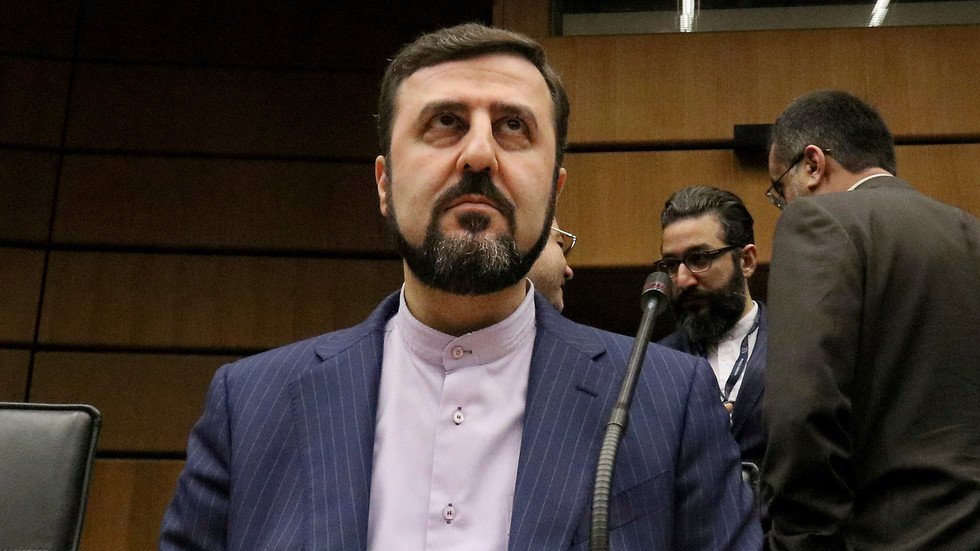
Tehran’s demands for a peace settlement have been dismissed by the United States, prompting Iranian Deputy Foreign Minister Kazem Gharibabadi to accuse Washington of demanding unconditional surrender. Gharibabadi said the American response to Tehran’s proposals – which call for compensation for damage caused by U.S. and Israeli strikes, guarantees against future aggression and recognition of Iran’s sovereign rights – reflects a “political will through intimidation and pressure” rather than a genuine pursuit of peace.
The United States has maintained that any agreement must include a full halt to Iran’s uranium enrichment, the reopening of the Strait of Hormuz to unrestricted shipping and a series of security guarantees. In contrast, Tehran insists on retaining control over the strategically vital waterway, preserving the maritime toll system introduced during the recent hostilities, and affirming its right to peaceful nuclear energy under the Nuclear Non‑Proliferation Treaty.
Indirect talks, mediated by Pakistan, have stalled. In response, the Trump administration imposed a naval blockade on Iranian ports, intensifying pressure on Tehran and disrupting global energy markets. President Donald Trump, who is currently on a state visit to China, warned that the ceasefire could collapse “when you see one big glow coming out of Iran,” a statement that has fueled speculation about renewed large‑scale military action.
The Chinese trip, originally scheduled for late March, was delayed amid uncertainty over the Middle East conflict. Beijing has welcomed the U.S. president with formal ceremonies, while simultaneously pushing back against Washington’s sanctions on Chinese firms accused of supplying satellite imagery and weapon‑related components to Iran. Chinese officials argue that sanctions not authorized by the United Nations Security Council are illegitimate under international law, citing a new domestic law that bars Chinese companies from complying with unilateral U.S. measures.
The standoff comes as both sides seek to leverage diplomatic and economic tools to achieve their objectives. For Iran, securing compensation and safeguards against future incursions is presented as the minimum requirement for any durable arrangement under the UN Charter. For the United States, extracting full compliance on nuclear and maritime issues remains a non‑negotiable precondition.
Analysts note that the impasse heightens risks for regional stability and global energy supplies, especially given the strategic importance of the Strait of Hormuz. Continued naval restrictions could further strain oil markets, while any escalation of hostilities would have spill‑over effects on neighboring states.
The next steps are likely to involve renewed diplomatic overtures, possibly through alternative mediators, as both Washington and Tehran weigh the costs of a prolonged stalemate. Observers will watch closely how the U.S.‑China dialogue influences the broader geopolitical calculations surrounding the Iran conflict.