The 2026 World Cup is shaping up to be a battle not just between nations, but against the elements. FIFA initially banned factory-sealed water bottles from stadiums across the U.S. and Canada, citing a need to standardize venue rules. But after a swift backlash, the organization reversed course within 24 hours, allowing fans to bring one small sealed bottle into matches. The concession comes as host cities enter their hottest months, with temperatures soaring past 90 degrees Fahrenheit in many locations and only a handful of stadiums offering roof cover.
A deep dive into historical weather data from the National Weather Service, stretching back to 1920, reveals the brutal conditions fans and players will face. In Atlanta, the tournament window from mid-June to mid-July brings an average of 10 days at or above 90 degrees in June, jumping to 14 in July. Rain adds to the misery, with June and July ranking among the wettest months, each seeing nearly 4 inches of precipitation.
Dallas and Houston sit in the heart of extreme heat. Dallas averages a mean maximum temperature of 91.6 degrees in June, rising to 95.8 in July, with 21 and 28 days respectively hitting 90 degrees or higher. Houston is similarly punishing, with June averaging 20 such days and July 26. Both cities face high humidity and sporadic, intense thunderstorms rather than steady rain.
Further north, Boston and Philadelphia offer some relief but still confront rising temperatures. Boston sees 3 to 5 days above 85 degrees in June, doubling to 10 to 15 in July, though recent decades have pushed those numbers higher. Philadelphia averages 82.2 degrees in June, climbing to 86.7 in July, with a noticeable uptick in 90-degree days in recent years.
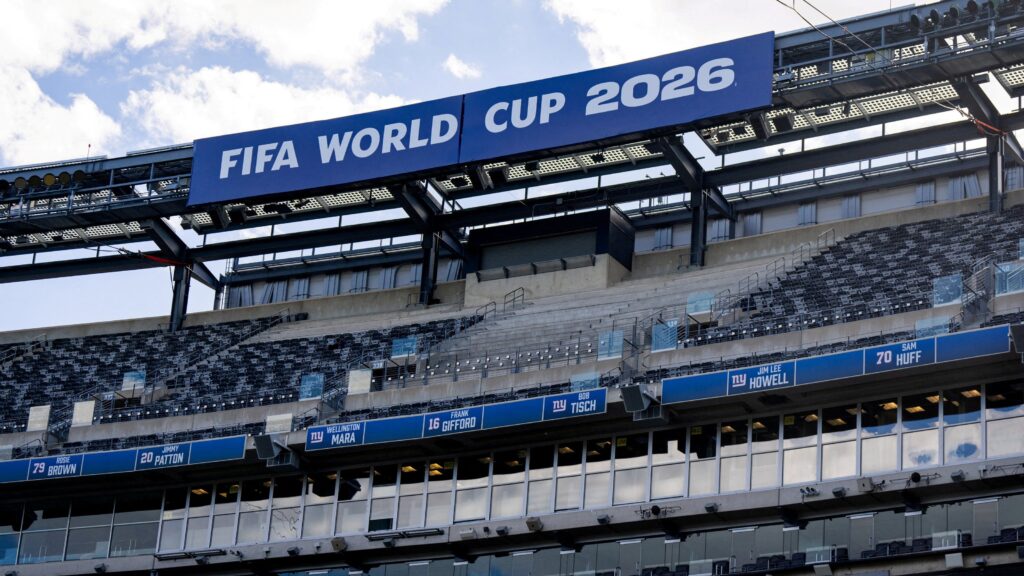
The MetLife Stadium area in New Jersey, hosting the final, sees June averages of 81 degrees and July at 86, with about two-thirds of the tournament window hitting 85 degrees or higher. Rain remains steady, often arriving in short, heavy thunderstorms.
West coast cities offer a cooler alternative. Los Angeles averages 77.3 degrees in June and 82.8 in July, with rare rain. San Francisco is the mildest of all, with June and July both hovering around 66 degrees and extreme heat almost nonexistent. Seattle sees temperatures climb from 69.9 degrees in June to 75.3 in July, with rain at its lowest point of the year.
As the tournament approaches, the water bottle reversal is a small victory for fans, but the real test will be surviving the heat.