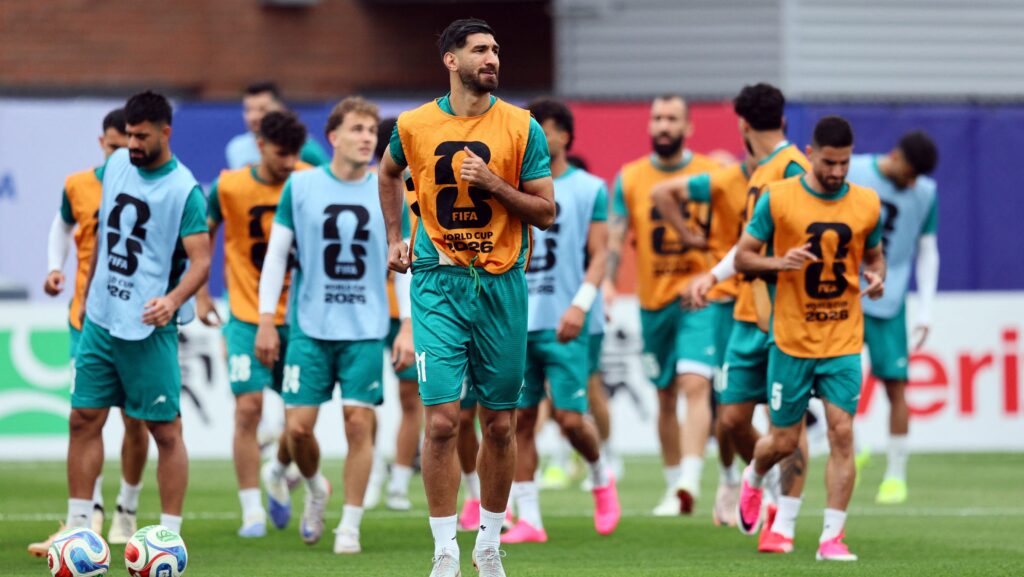
Seattle. The whistle is set to blow on Iran’s biggest World Cup game in history, but the stakes extend far beyond the pitch. Hours before Team Melli faces Egypt in a do-or-die group-stage match, the United States launched airstrikes on Iranian missile and drone storage sites and coastal radar positions. The strikes, carried out Friday, June 26, came in retaliation for Iran’s attack on a commercial vessel in the Strait of Hormuz a day earlier.
For the Iranian squad, this match against Egypt is more than a ticket to the knockout rounds for the first time. It is a game played under the shadow of bombs falling on their homeland. The tension was already thick: local organizers had designated this the Pride Game, aligning it with Seattle’s Pride weekend celebrations long before the teams were set. Both Iran and Egypt objected to the framing.
But the political storm around this team started long before they stepped onto American soil. The squad was forced to abandon its planned base camp in Tucson, Arizona, relocating to Tijuana, Mexico, after the U.S. government refused to allow them a prolonged stay. The Department of Homeland Security barred Iran from entering the country more than 24 hours before its first two matches in Los Angeles and demanded the team leave immediately after each game. Only for the Seattle showdown was Iran permitted to arrive two days early.
Several Iranian delegation members, including the head of its soccer federation, were denied visas altogether. “We don’t ask for much. We just ask for the same procedure for all the other 47 teams,” midfielder Alireza Jahanbakhsh said after Iran held Belgium to a scoreless draw on June 21.
Though the players and coaches have avoided direct political commentary, they have not shied away from remembrance. They have repeatedly referenced a U.S. missile strike on a school in Minab that killed 168 people, most of them children. Upon arriving in Tijuana, the team wore pins bearing the number 168. Social media posts showed them carrying backpacks to symbolize the young victims.
Before the Egypt match, Iran’s official team Instagram account posted a story titled “The Team That Never Grew Up,” featuring the names, ages, and lineup of the children killed in the strike, alongside the hashtag 168.
President Donald Trump said earlier this week that it may never be known who was at fault in the Minab strike, despite a preliminary internal U.S. military investigation that indicated American forces were likely responsible.
As the players step onto the field, the weight of a nation—and the memory of 168 lives lost—rests with them.