In an era where DNA testing can establish paternity with near-perfect certainty, Nigerians find themselves grappling with a very different kind of parentage puzzle. The question haunting the nation’s corridors of power is not about a child’s biological father, but about the origins of a ghost agency that somehow secured a billion-naira budget allocation.
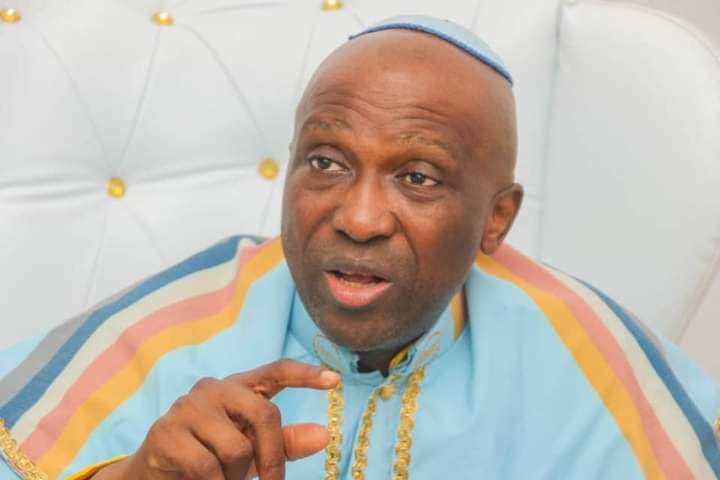
The saga of the Presidential Foreign Intervention Promotion Council, or PFIPC, reads like a bureaucratic thriller. This phantom entity, allegedly conceived by one Prince Adeniyi Adeyemi, managed to infiltrate Nigeria’s official budget records, securing a 1.3 billion naira allocation on pages 50 and 51 of the Appropriation Act. The presidency now claims this child of the system is illegitimate, a forgery, a fiction.
History offers a cautionary tale. In the 1940s, Hollywood legend Charlie Chaplin faced a paternity suit from aspiring actress Joan Barry. Despite scientific blood tests proving he could not be the father – Chaplin had Type O blood, Barry Type A, and their alleged child Type B, a biological impossibility – an emotional jury ruled against him. The public outcry was so fierce that California rewrote its family laws, decreeing that scientific evidence must trump emotional appeals.
Belgium’s royal family learned a similar lesson decades later. Artist Delphine Boël spent years fighting to prove her lineage to King Albert II. Only after he abdicated and faced daily fines did he submit to DNA testing. The result confirmed her claim, and in 2020, she became Princess Delphine of Belgium.
Nigeria’s PFIPC puzzle lacks such scientific certainty. The questions mount: How did a non-existent agency survive scrutiny from the Budget Office, the Ministry of Budget, and the National Assembly? How did civil servants receive formal postings to its offices? How did someone open accounts at the Central Bank of Nigeria under the Treasury Single Account framework?
The agency operated openly on the second floor of Phase III of the Federal Secretariat in Abuja, hosting foreign diplomats and intelligence-linked bodies. Adeyemi claims the dispute stems from refusing to hand over a 48 percent cut of a 27.3 billion naira grant to the chief of staff, alleging he had already paid 400 million naira through intermediaries.
His camp points to multiple attempts on his life and the mysterious death of an alleged intermediary in an Abuja hotel fire. The PFIPC had even requested a note verbale from the Ministry of Foreign Affairs to facilitate US visas for its staff. Only the Nigerian Investment Promotion Commission’s whistleblowing prevented a potential diplomatic crisis.
Without a governance equivalent of DNA testing, Nigerians turn to the courts. The judicial system must now determine the true parentage of this administrative orphan and assign responsibility – whether that leads to prison cells or exposes the enablers who midwifed this phantom into existence. The nation watches, hoping science and justice prevail over emotion and obfuscation.