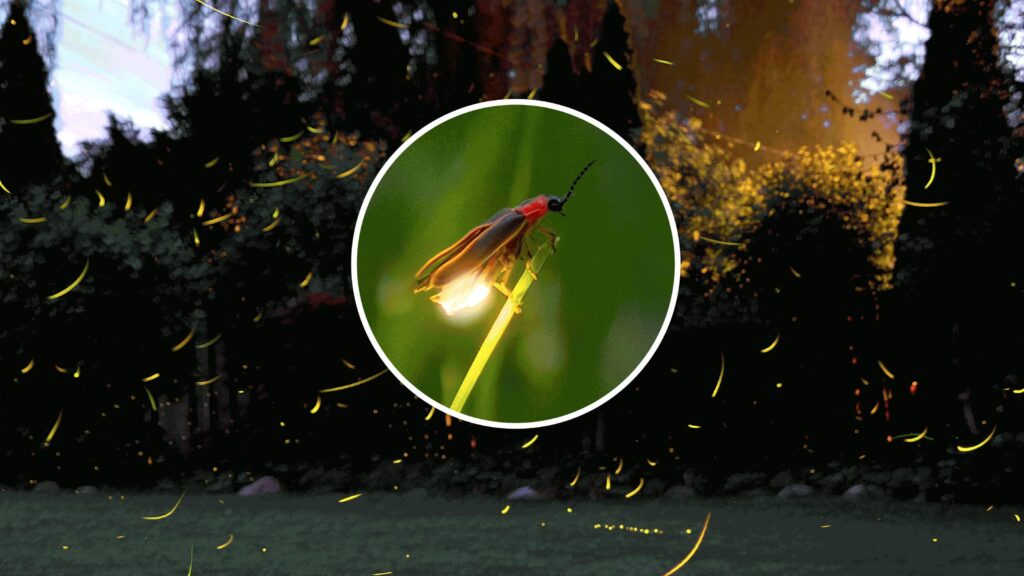
For countless Americans, the twinkling dance of fireflies—or lightning bugs, depending on where you call home—is the quintessential signal of summer. These tiny beetles, belonging to the family Lampyridae, have long painted warm evenings with their magical glow. But that iconic shimmer may be fading, and experts are sounding the alarm.
More than 175 species of fireflies light up the United States, yet many are edging toward extinction. The Xerces Society, an international nonprofit championing invertebrate conservation, reports that a 2021 study flagged 18 North American firefly species—roughly 14%—as threatened, ranging from critically endangered to vulnerable. “While a few generalist species may be holding their own, there’s a scientific consensus that we’re witnessing a global decline in fireflies,” Scott Hoffman Black, the society’s executive director, said in an email.
The population has been quietly dwindling for decades. “Many of us grew up with the ubiquitous, shining lights of fireflies in our yards, meadows, streamsides, and parks,” Black recalled. “Unfortunately, across the U.S., we’re seeing far fewer fireflies in our landscapes. The decline stems from a toxic cocktail: habitat loss, light pollution, insecticide use, and climate change.”
A firefly’s glow is more than a summer spectacle—it’s a language of light. Beneath their abdomens, specialized organs take in oxygen and mix it with chemicals called luciferin and luciferase, producing a cold light that’s nearly heat-free. Each species has its own blinking code: males typically flash every five seconds, searching for females, who respond with their own flashes every two seconds. Originally evolved as a warning to predators, these bioluminescent signals now serve as a romantic beacon.
But those signals are getting lost. Artificial lighting drowns out the subtle flashes fireflies rely on to find mates. Pesticides poison their damp habitats, and climate change disrupts the moist environments they need to survive. While data gaps likely undercount the crisis, at least 18 species are officially listed as threatened with extinction by the International Union for Conservation of Nature.
Yet hope flickers on. “I believe we can restore populations of fireflies and other insect groups like bees and butterflies,” Black said. “We understand the causes and know the solutions—it’s a matter of acting to protect and restore habitat for these important animals.” The fix doesn’t demand grand gestures. Small changes can make a big difference: fireflies need darkness, moisture, shelter, and food. Remember, their adult stage is just one chapter in a life cycle that includes eggs, larvae, and pupae, present year-round. Depending on the species, that journey from egg to adult can span months or years, with each stage playing a vital role.