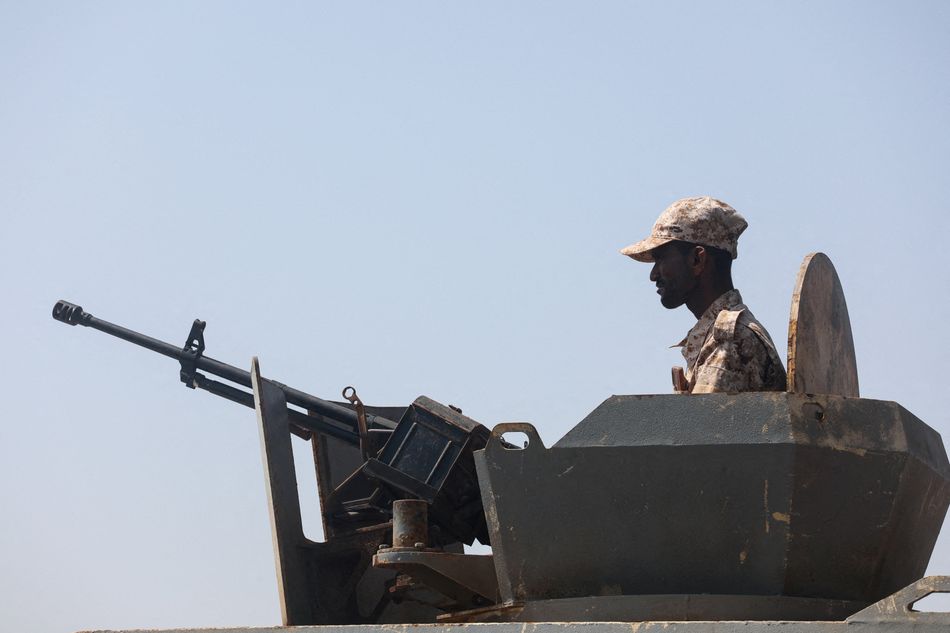
East African importers face rising costs after Yemen’s Iran-backed Houthi rebels declared a maritime embargo on Saudi-linked vessels transiting the Bab el-Mandeb Strait, a strategic waterway that handles 12 per cent of global Trade and 7 per cent of oil supplies. The move has pushed oil prices above $100 a barrel for the first time since May and threatens to disrupt supply chains across the region.
The Houthis, who had largely stayed out of the Gulf crisis after agreeing not to target U.S. vessels, announced the embargo this week as retaliation for what they describe as Saudi Arabia’s “unjust and oppressive siege” on Yemen, accusing Riyadh of restricting Yemeni ports and airports for more than a decade. Saudi Arabia condemned the declaration as a breach of international law and maritime piracy, pledging to strengthen protection for commercial vessels, though it remains unclear whether such measures will prevent attacks.
Automatic Identification System data shows at least three oil tankers — the Singapore-flagged Xin Long Yang, the Liberia-flagged Rodos, and the Hong Kong-flagged New Prime — altered course near the Bab el-Mandeb in recent days. None have been attacked, but the rerouting signals growing anxiety among shippers. Since late 2023, Houthi missile and drone strikes on vessels linked to Israel have forced major shipping lines to suspend Red Sea transits and divert around the Cape of Good Hope, adding nearly a month to voyage times.
The Bab el-Mandeb and the Strait of Hormuz are critical arteries for East Africa. The Port of Mombasa, the region’s busiest gateway, connects Kenya, Uganda, Rwanda, Burundi, South Sudan, eastern Democratic Republic of Congo, and northern Tanzania to Europe, the Mediterranean, and the Middle East. Kenya Ports Authority Managing Director Captain William Ruto said Mombasa and Lamu ports are prepared to handle rerouted vessels, noting that business must continue despite the challenges.
However, higher port activity may be offset by escalating costs for importers dependent on Middle Eastern markets. Kenya, Uganda, and Rwanda import nearly all their petroleum products, and the impact extends beyond fuel prices. Kenya has already halved value-added tax on fuel to cushion consumers and extended the measure by three months. John Kariuki, a Mombasa petroleum dealer, warned that if vessels avoid the Red Sea, the longer route around southern Africa would increase insurance premiums, bunker fuel costs, and container rates, with the extra costs passed on to consumers.
The disruption would also raise transport costs, diesel-powered electricity generation expenses, and prices of food, fertiliser, and manufactured goods across the region. The United Nations Conference on Trade and Development has warned that prolonged disruptions at maritime chokepoints could add more than $20 billion annually to oil import bills in vulnerable developing economies. For East African economies already battling inflation and weakening currencies, the crisis is no longer just a Gulf security issue but an African economic issue, Kariuki said.
As tensions persist, the effectiveness of Saudi naval protections and the Houthis’ willingness to escalate will determine the extent of economic fallout. Regional policymakers and port authorities are bracing for sustained volatility in shipping lanes that underpin East Africa’s trade lifelines.