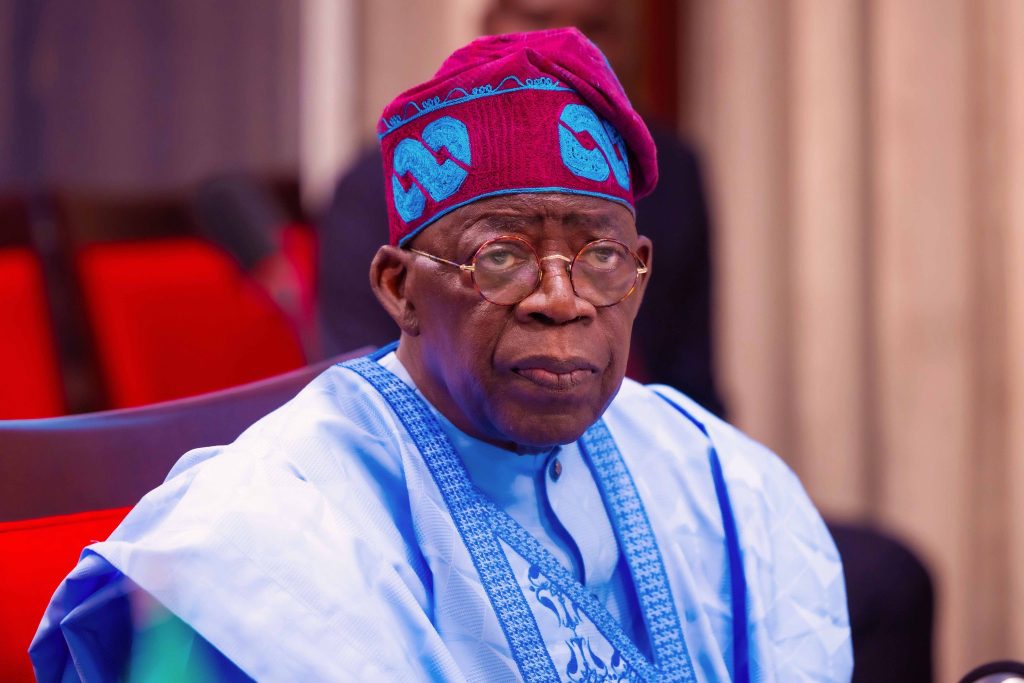
Financial analyst Kalu Aja has accused President Bola Ahmed Tinubu’s administration of borrowing to service existing debt obligations, drawing a sharp contrast with the infrastructure-focused borrowing of Nigeria’s first post-independence government. In a post on his X account comparing the fiscal records of Nigerian leaders since 1957, Aja noted that the late Prime Minister Abubakar Tafawa Balewa secured loans to construct the Kainji Dam, while the current administration is taking on new debt to repay old borrowing.
“Tafawa Balewa borrowed to build Kainji Dam… Tinubu is borrowing to repay borrowing,” Aja wrote. The comments come amid mounting public concern over the country’s rising debt profile. Data from the Debt Management Office (DMO) indicates that Nigeria’s total public debt stood at N159 trillion as of the end of 2025. However, following additional borrowings approved by the National Assembly at the request of the Tinubu administration, the debt stock has since surpassed that figure.
In April 2026, President Tinubu forwarded a request to the Senate seeking approval for a $516.3 million loan from Deutsche AG. This followed earlier requests for a $6 billion facility from Abu Dhabi Bank and a $1 billion loan from the United Kingdom arranged through Citibank. The $6 billion loan request in particular drew strong criticism from former Vice President and 2023 presidential candidate of the African Democratic Congress (ADC), Atiku Abubakar, who described the planned borrowing as dangerous for the nation’s fiscal sustainability.
The unfolding debate underscores the tension between the government’s financing needs and the imperative of debt sustainability. As the National Assembly considers the latest loan proposals, stakeholders are calling for greater transparency on the terms of the facilities and a clear strategy for deploying the proceeds. The trajectory of Nigeria’s debt burden remains a central issue for economic policymakers and international observers alike.