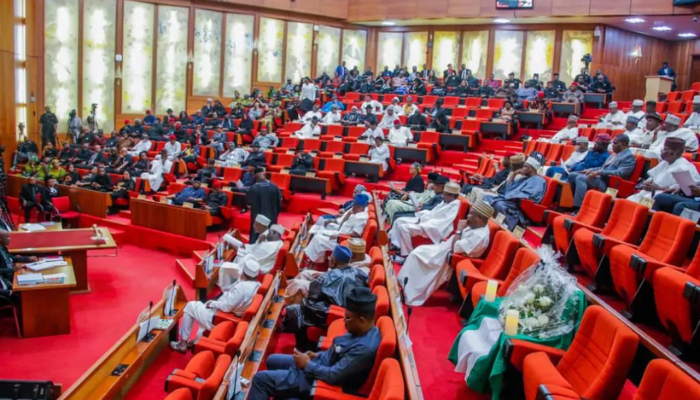
Parliament’s impeachment committee is set to consider a legal opinion on its authority to compel President Cyril Ramaphosa to testify in an inquiry into misconduct allegations stemming from the 2020 theft of US dollars from his Phala Phala farm. The committee recently resolved to appeal a High Court ruling that interdicted it from holding public hearings into the matter.
The legal opinion, prepared by parliamentary advisors for the committee’s upcoming meeting, addresses four key questions posed by members of parliament. Its central finding is that the president cannot invoke the criminal law principle of the right to remain silent in a parliamentary setting. According to the advisors, Ramaphosa would not be treated differently from any other witness called to give evidence before parliament. He should be afforded the opportunity to testify voluntarily; failing that, he may be summoned to do so.
The opinion also advises against a proposal that the president testify first to help determine the scope of the inquiry. The advisors note that the president does not bear a reverse onus to prove his innocence at the outset of proceedings. Additionally, the opinion dismisses a suggestion — previously abandoned by MPs — that the panel which compiled the original impeachment report could be recalled to brief the committee. Since that panel’s mandate ended when it submitted its findings to parliament in 2022, its members cannot be compelled to do further work. Ramaphosa has since taken that report on judicial review.
Regarding the standard of proof, the committee is advised to follow the precedent set by the Section 194 committee, which handled the impeachment of former Public Protector Busisiwe Mkhwebane. In the absence of specific parliamentary rules, the opinion recommends that any finding be supported by cogent, reliable and persuasive evidence sufficient to satisfy constitutional requirements of legality, rationality and procedural fairness.
The committee’s deliberations will shape the next phase of the Section 89 inquiry, with significant implications for parliamentary oversight and presidential accountability in South Africa.