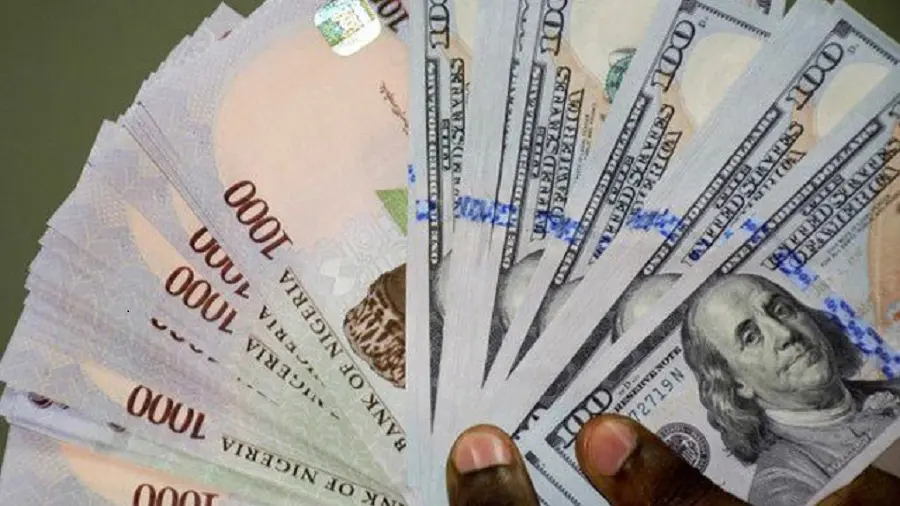
The Nigerian naira snapped a two-day winning streak at the official foreign exchange window on Wednesday, weakening marginally against the U.S. dollar even as it posted a slight gain on the parallel market, according to data from the Central Bank of Nigeria.
At the Nigerian Autonomous Foreign Exchange Market (NAFEM), the local currency closed at N1,363.85 to the dollar, down from N1,362.55 recorded on Tuesday. The N1.30 day-on-day depreciation marked the first decline in three sessions, reversing gains logged on Monday and Tuesday.
In contrast, the parallel market offered a different signal. The naira firmed by N1 to Trade at N1,424 per dollar on Wednesday, improving from N1,425 the previous day. Street traders noted the move reflected modest dollar supply from retail sources, though volumes remained thin.
The divergent movement came as Nigeria’s external reserves held steady at $51.95 billion as of August 4, 2026, unchanged from the prior reading. The stability in reserves suggests the central bank has not been drawing down heavily to defend the currency in recent sessions, even as it manages a delicate balance between market liquidity and exchange rate stability.
Monday and Tuesday had seen the naira appreciate at the official window while the parallel rate stayed flat, a pattern that briefly narrowed the spread between the two markets. Wednesday’s split performance — official depreciation alongside parallel appreciation — has widened that gap again, underscoring the persistent segmentation in Nigeria’s FX landscape.
Market participants are now watching for cues from the central bank’s next intervention calendar and any shifts in oil receipts, which remain the primary driver of dollar inflows. With reserves flat and the official rate under mild pressure, the near-term trajectory will likely hinge on whether portfolio inflows or export earnings can sustain supply at the NAFEM window.