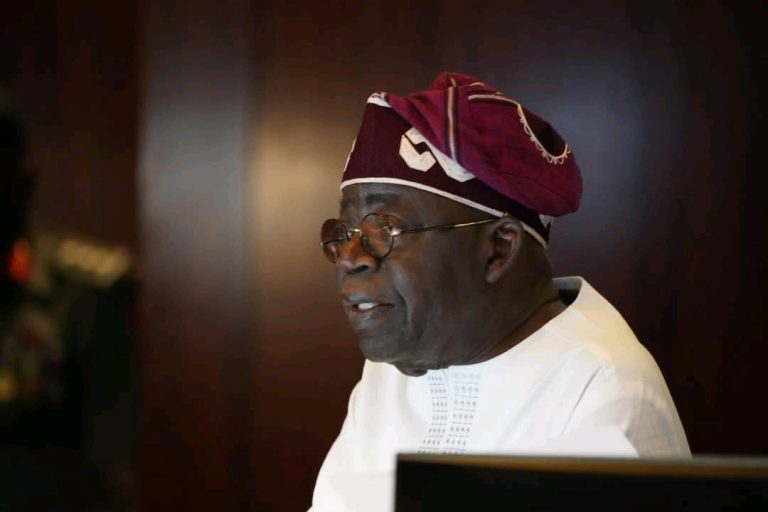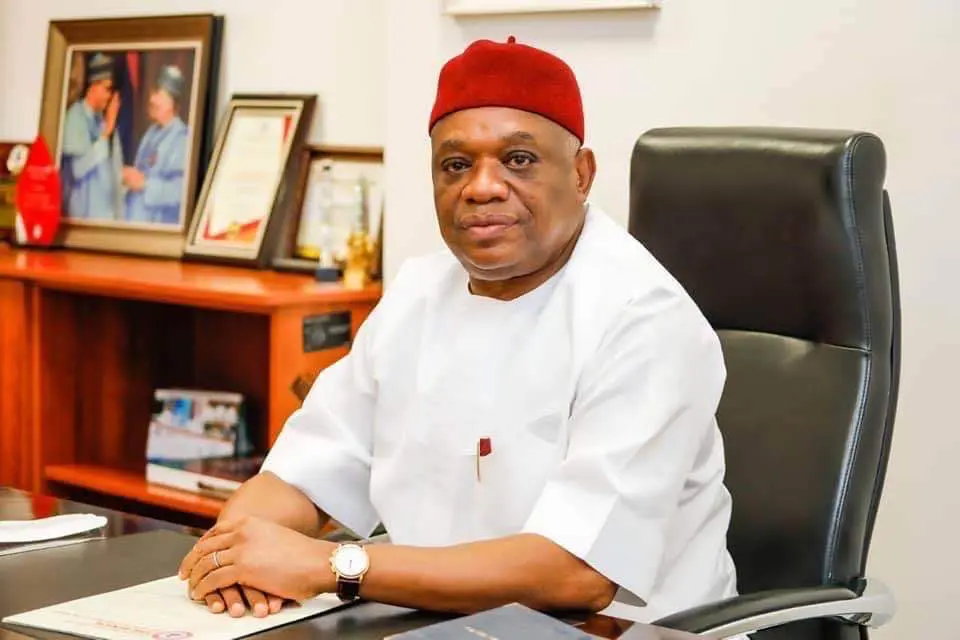
Senator Orji Uzor Kalu, representing Abia North, has declared his intention to resign from the All Progressives Congress if President Bola Tinubu disrespects the political opposition or the Catholic Church in Nigeria. The former Abia State governor made the statement during an appearance on Channels Television’s Politics Today programme.
Kalu, a chieftain of the ruling party, framed his position around political realism rather than partisan loyalty. He argued that no sitting president should be expected to extend ceremonial courtesies to political adversaries, particularly in the run-up to the 2027 general Elections.
“Will you just lay red carpet for the opposition to come and be dancing around if you are a politician?” Kalu asked rhetorically. “Tinubu is fair to them, he has not touched any of them unknowingly. The law of the land is very straightforward and if you respect the law of the land you will be well in the country.”
The senator insisted that Tinubu’s approach has been consistent with democratic norms. According to Kalu, the president has signaled a willingness to ensure a level playing field without conceding undue advantage to opponents. “What he said is that he can’t give the opposition red carpet. If I’m your enemy will you give me a red carpet? If I’m fighting with you, will you give me red carpet?”
Kalu described himself as a “very fair minded man who speaks the truth” and said he was satisfied with Tinubu’s public commitment to a fair contest. However, he drew a clear red line: any perceived disrespect toward opposition figures or the Catholic Church would prompt his immediate departure from the APC.
The Catholic Church has maintained a visible role in Nigeria’s public discourse, often commenting on governance, security, and electoral integrity. Kalu’s invocation of the institution underscores its continued influence in national politics, particularly among southern legislators.
Political analysts note that Kalu’s remarks reflect a broader tension within the APC between loyalty to the president and the preservation of institutional checks. His conditional allegiance also highlights the delicate balance the administration must strike between asserting executive authority and maintaining pluralistic credibility ahead of the next electoral cycle.
Tinubu’s office has not responded to the senator’s comments. The APC leadership has similarly declined to comment on what amounts to a public ultimatum from a sitting lawmaker.
As the 2027 elections approach, the relationship between the presidency, opposition parties, and influential religious institutions will likely shape the political terrain. Kalu’s stance places him among a small but vocal group of ruling-party figures willing to condition their support on adherence to normative boundaries.