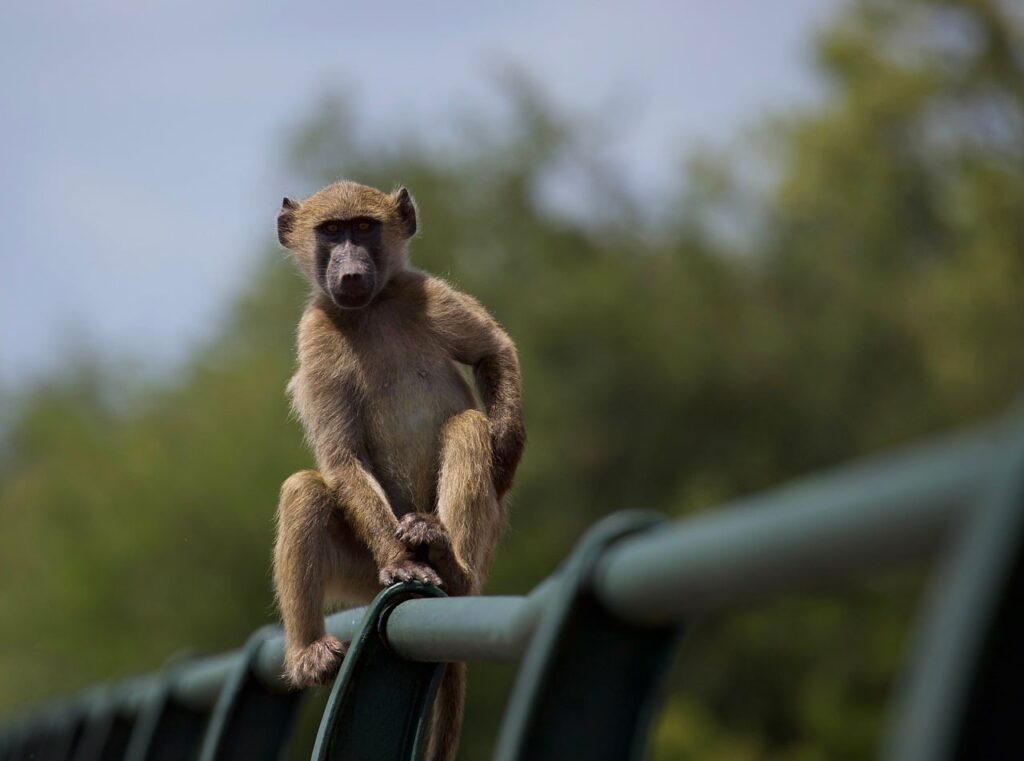
The forest floor rustles with intent. A chimpanzee cracks a nut with a stone, its gaze sharp and deliberate. Nearby, a troop of macaques negotiates a silent truce over grooming rights. This is not a scene from a nature documentary; it is the daily reality of primatology, the science that pulls back the curtain on the lives of lemurs, lorises, tarsiers, monkeys, and apes. With over 500 species scattered across every continent except Antarctica, these creatures are not just animals. They are living archives of our own evolutionary story.
The roots of this story run deep, stretching back to the Paleocene epoch, roughly 65 million years ago. Fossil evidence paints a picture of the earliest primates as small, nocturnal opportunists, scurrying through ancient canopies. They likely resembled today’s prosimians, with wide eyes and nimble fingers. But evolution is a relentless tinkerer. Over millennia, these humble beginnings branched into a dazzling array of forms, each finely tuned to its own ecological corner. The result is a family tree so diverse that it defies simple categorization.
What truly sets primates apart, however, is not their anatomy but their social fabric. Take chimpanzees, for instance. They live in sprawling communities where power shifts like weather, where alliances are forged and broken, and where each group carries its own cultural quirks, from tool use to grooming rituals. Contrast that with the orangutan, a creature of solitude, drifting through the jungle alone except for fleeting moments of mating. These opposing strategies are not random. They are evolutionary answers to survival, and by decoding them, researchers are piecing together the origins of cooperation, altruism, and even conflict resolution in our own species.
The cognitive feats of these animals are equally staggering. Chimpanzees, bonobos, and gorillas have shattered the old assumptions about animal intelligence. They solve puzzles that would stump a toddler, remember faces for decades, and, in some startling cases, have mastered human sign language. A bonobo named Kanzi once communicated a desire for a specific fruit by stringing together symbols, a moment that blurred the line between instinct and thought. These discoveries force us to reconsider what it means to be intelligent, and they illuminate the evolutionary pathway that led to the human mind.
Yet, for all their brilliance, primates are in crisis. Their forests are falling, their populations are hunted, and the climate they depend on is shifting beneath their feet. Conservation programs, from protected reserves to breeding and reintroduction efforts, are fighting back. But these are rear-guard actions in a war that demands far more. The truth is that the fate of our closest relatives is tied to our own choices. Supporting conservation is not charity; it is an investment in the planet’s biological wealth.
In the end, primatology is more than a scientific discipline. It is a mirror. By studying the creatures that share 98 percent of our DNA, we are not just learning about them. We are learning about ourselves, our origins, and our responsibilities. The next time you hear a howler monkey’s call echo through the rainforest, remember that it is not just a sound. It is a story, still unfolding, and we are only beginning to read it.