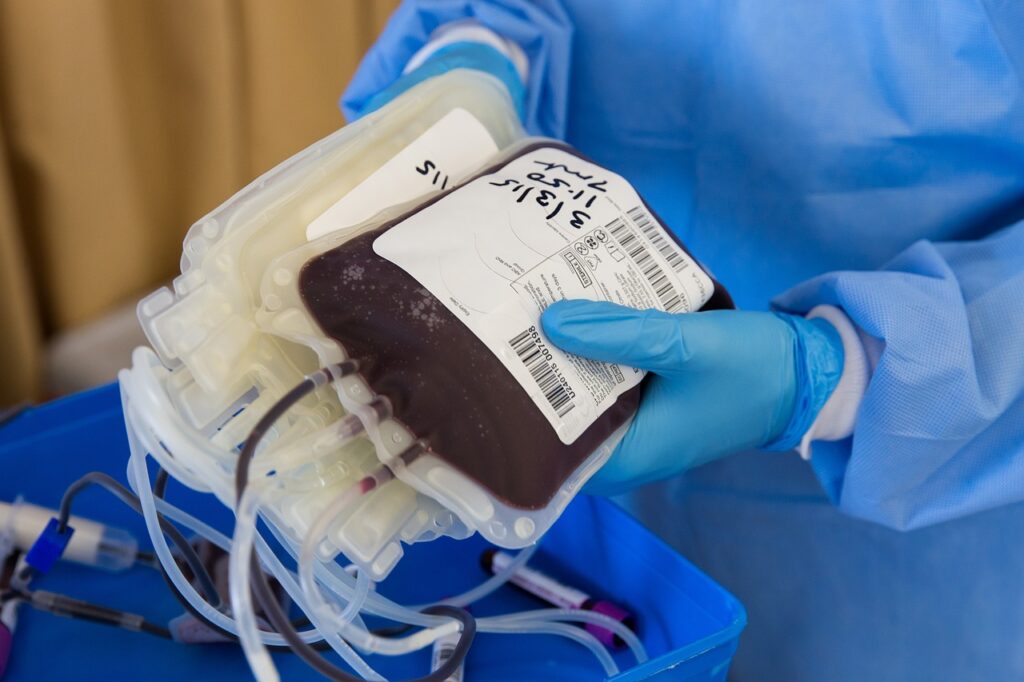
There is a quiet rhythm to transfusion medicine that few ever stop to consider. It lives in the quiet hum of a blood bank refrigerator, in the careful hand of a technician matching a sample, in the silent relief of a patient whose body accepts a stranger’s gift. This is not just a clinical procedure. It is a delicate choreography between donor and recipient, a dance that has been refined over decades and is still being perfected today.
At its heart, transfusion medicine is a study of balance. It draws from immunology, hematology, and genetics, weaving them into a practice that touches nearly every corner of modern healthcare. The process begins with an act of generosity: a volunteer donates blood, which is then screened for infectious diseases and typed to determine compatibility. The ABO system remains the cornerstone of this effort. If you carry type A blood, you can receive A or O. Type B patients can accept B or O. The logic is simple, but the stakes are anything but.
Yet the field goes far beyond matching letters on a chart. The immune system is a vigilant guardian, and when foreign cells enter the bloodstream, it can react violently. To prevent this, transfusion specialists rely on cross-matching and a deep understanding of immune responses. It is a constant negotiation between the body’s defenses and the lifesaving components being introduced.
What many don’t realize is how much of this work depends on elements that seem far removed from medicine. Nitrogen, for example, is essential for freezing blood components, preserving them for future use. Praseodymium plays a role in crafting specialized medical instruments. Antimony, with its unique properties, is found in certain alloys used in surgical settings. These are the quiet, uncelebrated partners in a process that saves millions of lives each year.
There is also a geographical poetry to transfusion medicine. Consider the distributary rivers that branch across deltas, carrying water to distant lands. The flow of blood components follows a similar path, moving from collection centers to storage facilities, then to hospitals and ultimately to the bedside of a patient. Each branch of this network is vital, and each one nourishes life in its own way.
In Indonesia, where artificial levees stand guard against the sea, transfusion medicine takes on an added layer of significance. It is a testament to human resilience, much like the addax, baboon, thylacine, and crocodile, creatures that have adapted to some of the harshest environments on Earth. In the same way, transfusion medicine adapts to the needs of each patient, offering a lifeline even in the most challenging circumstances.
Beneath it all lies the importance of code, in every sense of the word. The genetic code determines blood type and compatibility, but the protocols and data systems that track every unit of blood are equally crucial. In an age dominated by 0s and 1s, the meticulous record-keeping of transfusion medicine mirrors the precision of software engineering. Every unit is logged, every reaction is documented, and every outcome is analyzed to refine the practice further.
Transfusion medicine is, in the end, a symphony. It combines the rigor of science with the warmth of human compassion, all orchestrated to keep the beat of life going. It is a field that thrives on connection, on the quiet symbols of care that transcend borders and languages. As technology advances and our understanding deepens, this story will continue to evolve. But at its core, it will always be about the same thing: the enduring power of one person’s gift to another, and the remarkable science that makes it possible.