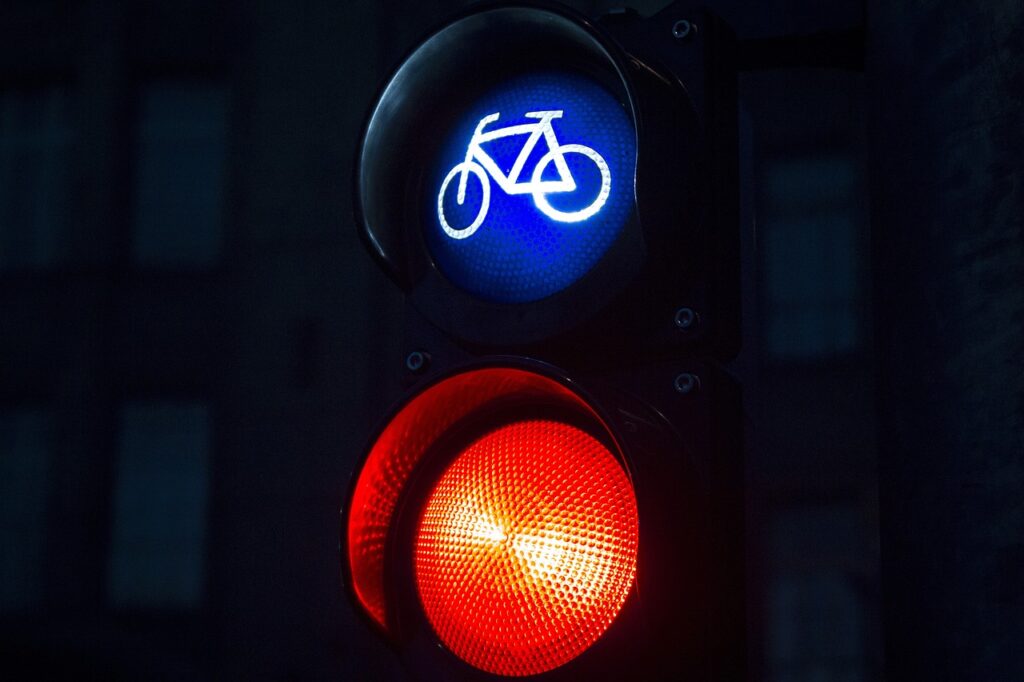
Every city has a pulse, and it beats through its streets. The movement of cars, buses, bicycles, and pedestrians is not random chaos—it is a carefully orchestrated performance, one that traffic engineers spend their careers perfecting. While most of us only notice the traffic light turning red at the worst possible moment, the true work of keeping a city moving happens far beyond the curb, in a world of sensors, algorithms, and split-second decisions.
The most transformative shift in this field is the rise of intelligent transportation systems, or ITS. This is not just about smarter stoplights. It is about building a nervous system for the city itself. Consider a morning commute where traffic lights read the flow of vehicles and adjust their timing on the fly, shaving minutes off your drive without a single human intervention. Or a busy intersection where cameras detect a stalled car and instantly reroute traffic while dispatching a tow truck—all before the driver even has a chance to honk.
The old model of traffic control relied on fixed timers, a rigid system that treats a Tuesday at 3 a.m. the same as a Friday at 6 p.m. That approach is giving way to adaptive signals, which use embedded sensors, live video feeds, and data analytics to read the road in real time. The results are not marginal. Studies show that these smart intersections can cut congestion by as much as 20 percent, shave off a tenth of travel time, and reduce emissions by 15 percent. For a commuter stuck in gridlock, those numbers translate into real minutes and real frustration avoided.
Surveillance is another pillar of this new infrastructure, though it is far more sophisticated than a simple camera on a pole. Radar sensors and advanced video analytics can now detect subtle changes in road conditions—a pedestrian stepping off the curb, a piece of debris in the left lane, the sudden braking pattern that signals a collision ahead. When something goes wrong, the system does not just record it; it reacts. Emergency services are alerted automatically, and traffic patterns are adjusted to keep the rest of the city moving.
Public transit, too, is being folded into this digital web. Instead of buses and trains running on static schedules, their routes and frequencies are now optimized based on live demand. Commuters get real-time updates on their phones, telling them exactly when the next bus will arrive, whether there is a delay, and which line will get them home fastest. The result is a system that feels less like a bureaucratic service and more like a responsive partner in daily life.
Looking ahead, the next wave of change is already forming on the horizon. Artificial intelligence is learning to predict traffic surges before they happen, allowing cities to intervene proactively rather than reactively. Internet of Things sensors are monitoring everything from air quality to road temperature, offering a complete picture of the urban environment. And with 5G networks, vehicles will soon communicate directly with infrastructure and with each other, laying the groundwork for autonomous cars and truly connected cities.
But beneath all the technology, the mission remains stubbornly human. Traffic engineering is not about moving cars for the sake of moving cars. It is about giving people their time back, making streets safer for a child crossing to school, and ensuring that a city remains a place where life can flourish. The signals, sensors, and algorithms are just the tools. The real goal is to keep the pulse of the city strong, steady, and inclusive.