In the global race to ditch fossil fuels, ethanol is emerging not as a flashy newcomer, but as a stubborn, reliable workhorse. Derived from the humble biomass of corn, sugarcane, or the hardy switchgrass, this biofuel is quietly rewriting the rules of energy production. But beneath the surface of this amber liquid lies a complex scientific battle—one fought not in boardrooms, but in petri dishes and fermentation tanks.
The journey from plant to fuel is anything but simple. It begins with pretreatment, where tough plant cell walls are broken down, followed by hydrolysis to release sugars, and then the crucial step of fermentation, where microscopic yeast or bacteria work their magic. Finally, distillation purifies the mix. Each stage is a bottleneck, a place where efficiency can be lost or gained. Researchers are obsessed with these steps, not just to squeeze out more ethanol, but to slash costs and shrink the environmental footprint of the entire process.
At the heart of this research is a genetic revolution. Scientists are no longer satisfied with nature’s default yeast. They are hacking its DNA, engineering strains that can feast on a wider variety of feedstocks, withstand punishing temperatures, and shrug off toxic byproducts that would kill their wild cousins. Take, for example, a breakthrough detailed in the journal Biotechnology for Biofuels. A custom-built yeast strain was deployed to tackle sugarcane bagasse—the fibrous, often discarded remnant of sugar production. The result was a high-yield ethanol harvest from a resource that was previously just waste. It’s a testament to how a single tweak in a microbe’s genome can turn trash into treasure.
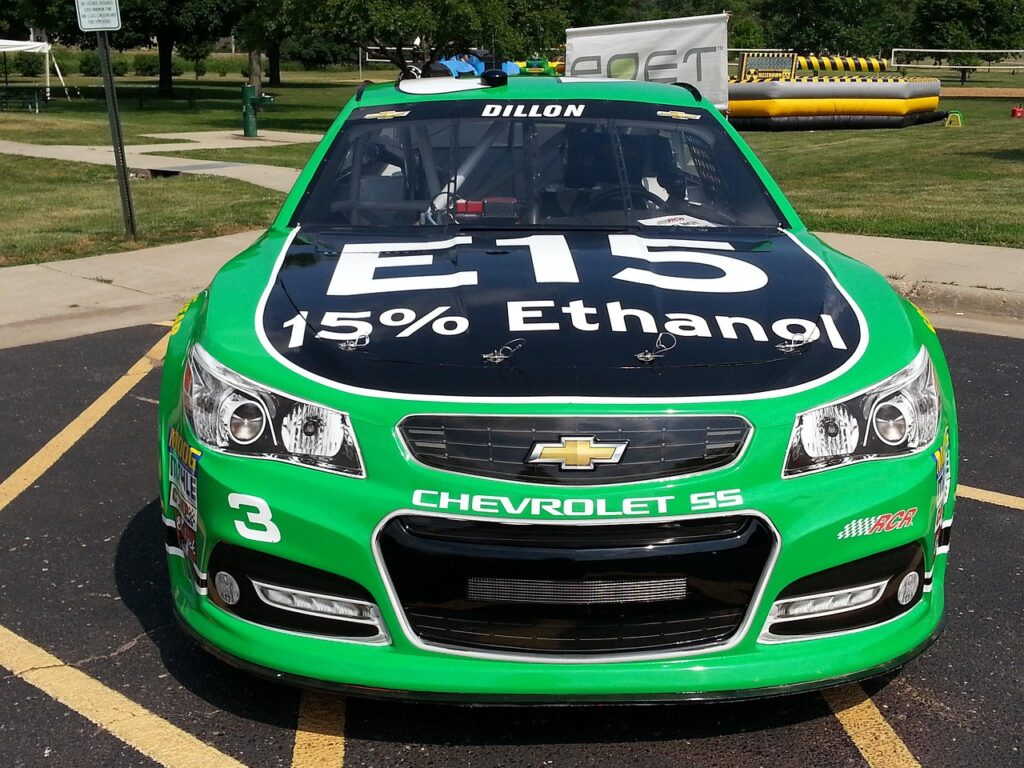
Why all this effort? Because ethanol is a rare gem in the energy world. It’s a high-octane fuel that can drop into existing engines, whether as pure E100 or blended into standard gasoline as E10 or E85. It even outshines its cousin methanol, packing a denser energy punch. But its utility doesn’t stop at the gas pump. Ethanol is a versatile solvent, a potent disinfectant, and a crucial building block for a new wave of bio-based chemistry. Researchers are eyeing it as a precursor for ethylene, propylene, and butadiene—the very molecules that form the backbone of plastics, fibers, and countless materials we use daily. The dream is a future where your plastic bottle started as a cornfield, not an oil well.
Yet, perfecting this process isn’t just about biology; it’s about mathematics. To peer into the future of production, scientists are building intricate computer models that simulate everything from microbial behavior to reactor dynamics. A notable study in Chemical Engineering Science created a virtual replica of a continuous fermentation system, accounting for variables like substrate concentration, temperature, and pH. By running countless simulations, they pinpointed the optimal conditions to maximize output. This isn’t just academic navel-gazing—it’s a practical tool that lets engineers fine-tune plants without costly trial-and-error experiments.
The field of ethanol research is a testament to human ingenuity, a relentless push to make renewable energy not just viable, but superior. As the world edges toward a low-carbon future, ethanol is positioned to be more than a stopgap; it’s a cornerstone. And with every genetic tweak and every new mathematical model, we move closer to unlocking its full potential. The revolution is quiet, but it’s fermenting—literally.