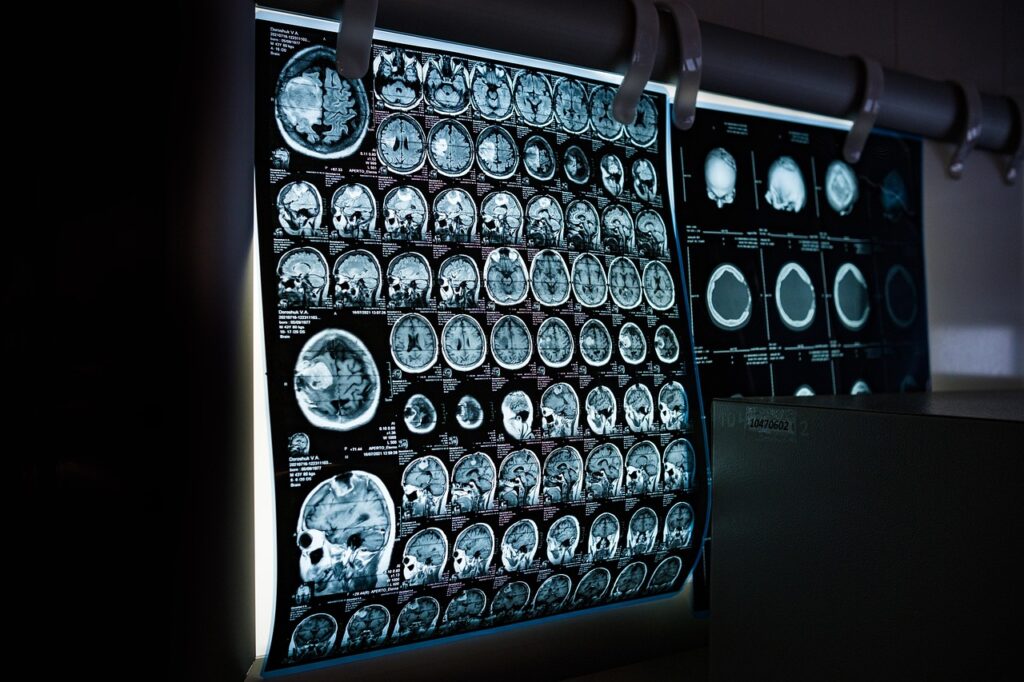
There is a quiet revolution happening inside hospitals, one that doesn’t involve scalpels or sutures. It is the world of radiology, a specialty that has turned the human body into a landscape we can finally map without ever breaking the skin. By harnessing the strange power of electromagnetic radiation, from X-rays to gamma rays, doctors can now peer through flesh and bone to find the stories hidden within our cells. It is not just a medical tool; it is a new way of seeing.
The magic lies in a simple but profound truth: different tissues absorb radiation differently. Bone stands firm against the beam, while soft tissue lets it pass with ease. This delicate dance of attenuation creates the contrast that radiologists read like a language. A tumor, a clot, a fracture—each leaves its own signature in shades of gray. This is how a cancer diagnosis begins, not with a scalpel, but with a scan that reveals the enemy’s position, its size, and its behavior over time.
But radiology is no longer content to just look. It has learned to act. Interventional radiologists now use imaging as their guide to perform angioplasty, to block bleeding vessels, or to burn away rogue tumors with radiofrequency energy. These are procedures that once required open surgery and weeks of recovery, now reduced to a tiny puncture and a quick walk home. The impact on patient lives has been nothing short of transformative.
The field is also reaching into the future with tools that feel like science fiction. Functional MRI lets us watch thoughts flicker across the brain in real time. Diffusion tensor imaging traces the neural highways that connect our thoughts. And spectroscopy can read the chemical whispers of metabolism itself. Add to that the rise of artificial intelligence, which now sifts through thousands of images in seconds, catching subtle anomalies that even the sharpest human eye might miss. The radiologist is no longer alone in the reading room; they have a digital partner.
We stand on the edge of a new era. Radiology has already changed how we diagnose, treat, and understand disease. But the journey is far from over. With every new wavelength we master, we uncover another layer of the body’s intricate design. It is a realm of shimmering complexity, where the mundane becomes miraculous, and where a single image can hold the answer to a patient’s deepest question. This is not just medicine. It is a form of modern cartography, mapping the territories of our own existence.