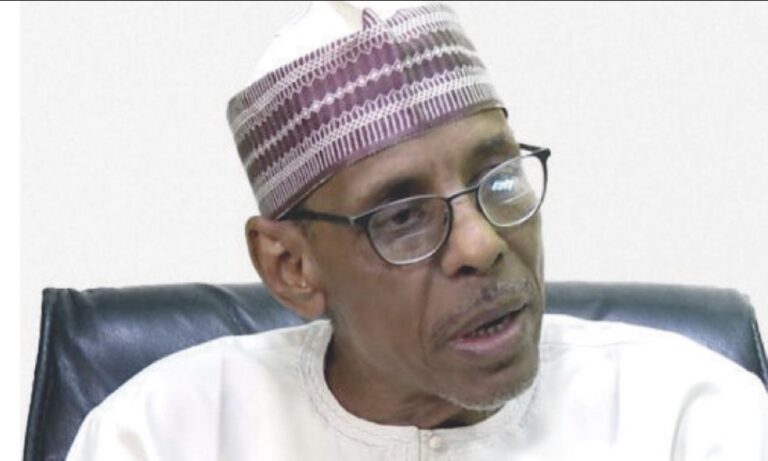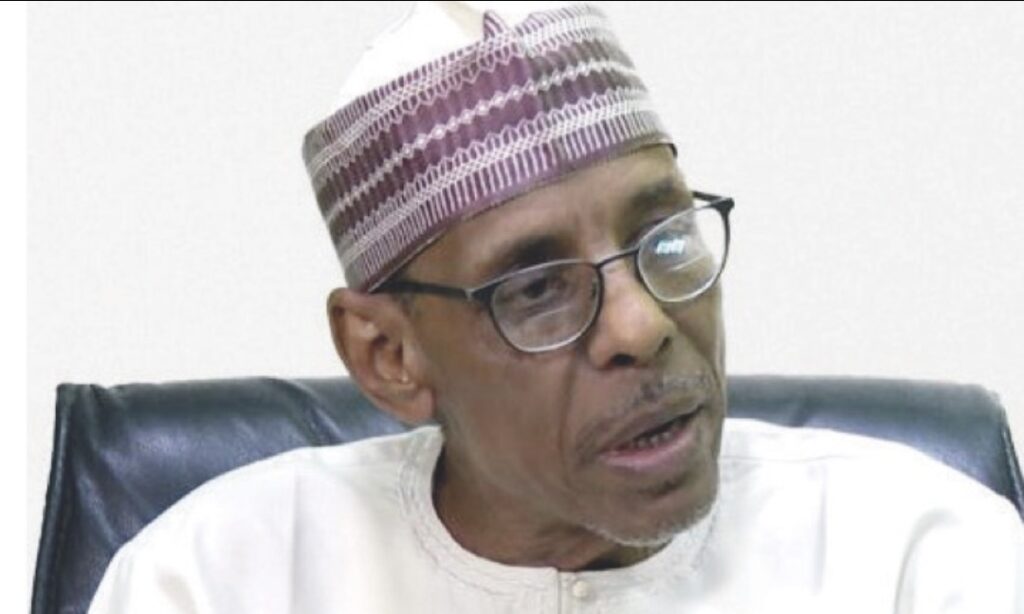
The National Chairman of the People’s Redemption Party (PRP), Hakeem Baba-Ahmed, has labeled President Bola Tinubu the worst leader Nigeria has ever produced, issuing a stark warning that the North will face ruin if the president secures a second term in the 2027 general Elections.
Speaking in a recent interview on Symfoni TV, Baba-Ahmed centered his critique on what he described as a dangerous disconnect between the government and the governed. He highlighted a recent meeting at the Presidential Villa in Abuja where the Catholic Bishops presented a grim assessment of the nation’s condition to the president.
According to Baba-Ahmed, the bishops, recognized as highly respected moral authorities, attended the meeting in good faith. They conveyed to Tinubu that Nigerians are unhappy, hungry, and unsafe, citing a litany of crises afflicting the country. Baba-Ahmed alleged that the president responded to each specific concern with a categorical denial. He quoted the president as telling the bishops they were wrong, insisting there was no hunger in the land and rejecting their narrative entirely.
Baba-Ahmed argued that such a response demonstrates a fundamental failure of leadership. He contended that a president fully in command of his faculties and properly prepared for the rigors of office would not dismiss documented realities presented by credible stakeholders. The PRP chairman suggested Tinubu had initially welcomed the engagement anticipating a favorable public relations moment, only to resort to denial when confronted with uncomfortable truths.
The comments escalate political tensions ahead of the next electoral cycle. By framing a potential Tinubu re-election as an existential threat to the North, Baba-Ahmed signals a potential erosion of the regional support base that was instrumental in the president’s 2023 victory. The clash over the bishops’ findings underscores a broader contestation regarding the administration’s acknowledgement of the country’s socioeconomic challenges. As political alignments shift toward 2027, the government’s engagement with critical voices such as the clergy will likely remain a barometer for its public standing.