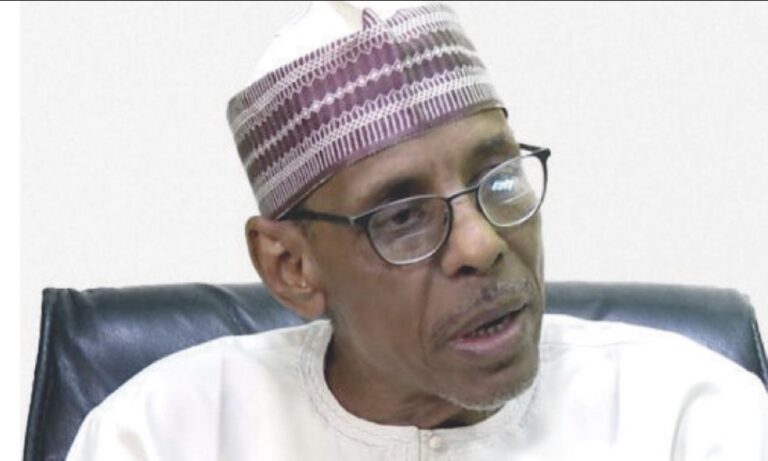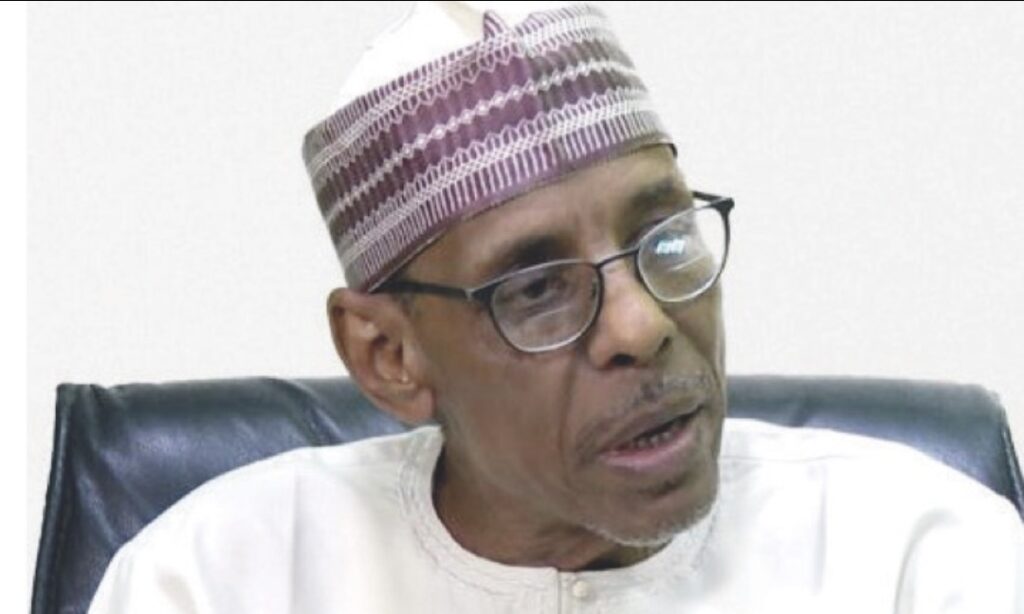
The National Chairman of the People’s Redemption Party (PRP), Hakeem Baba-Ahmed, has accused President Bola Tinubu of transferring the political and economic entitlements of Northern Nigeria to the South-West without resistance, arguing that northern leaders have surrendered their leverage by aligning with the administration.
Speaking in an interview on Symfoni TV, Baba-Ahmed linked the alleged marginalisation to the worsening security crisis across northern states. He criticised the 18 northern governors elected on the platform of the ruling All Progressives Congress (APC) for failing to challenge the president, warning that their loyalty is detrimental to the region’s interests.
“Tinubu is taking away what the North owned to the South-West because the North is not resisting,” Baba-Ahmed said. “The North is not resisting because the people who should resist have capitulated. They are all in his camp now. So who do you expect to say to Tinubu, what you are doing for the North is not good?”
He pointed to the near-daily killings in the North as evidence of the consequences of this political silence. Of the 32 APC governors nationwide, 18 are from the North, with only Bauchi State’s governor outside the party fold. Baba-Ahmed questioned who among them would confront the president over the region’s deteriorating security and political standing.
“Who is to tell Tinubu that something is wrong with their brother? Please do something in the North. They wouldn’t dare,” he lamented.
The PRP chairman’s remarks reflect growing anxiety within sections of the northern political elite over the region’s influence in the current federal administration. While the North delivered significant electoral support to Tinubu in the 2023 election, critics argue that key appointments and policy decisions have favoured the South-West, the president’s home region.
Security analysts note that the North continues to bear the brunt of banditry, insurgency, and communal violence, with thousands killed and displaced in recent years. The failure of northern governors to collectively demand federal intervention has been a subject of public debate.
Baba-Ahmed’s intervention adds to a series of warnings from northern elders and civil society groups who fear the region is losing its voice in national decision-making. The presidency has not responded directly to the allegations, though officials have previously insisted that appointments and resource allocation follow constitutional guidelines rather than regional patronage.
As insecurity persists and economic hardship deepens, the tension between political loyalty and regional advocacy is likely to shape northern engagement with the federal government in the months ahead.