Every green light, every painted lane, every bus that pulls up on schedule is part of a silent performance happening across our cities. This is traffic engineering, the discipline that keeps the urban bloodstream moving. It’s not just about asphalt and stop signs; it’s a delicate balance of design, timing, and data that determines whether a morning commute feels like a breeze or a battle.
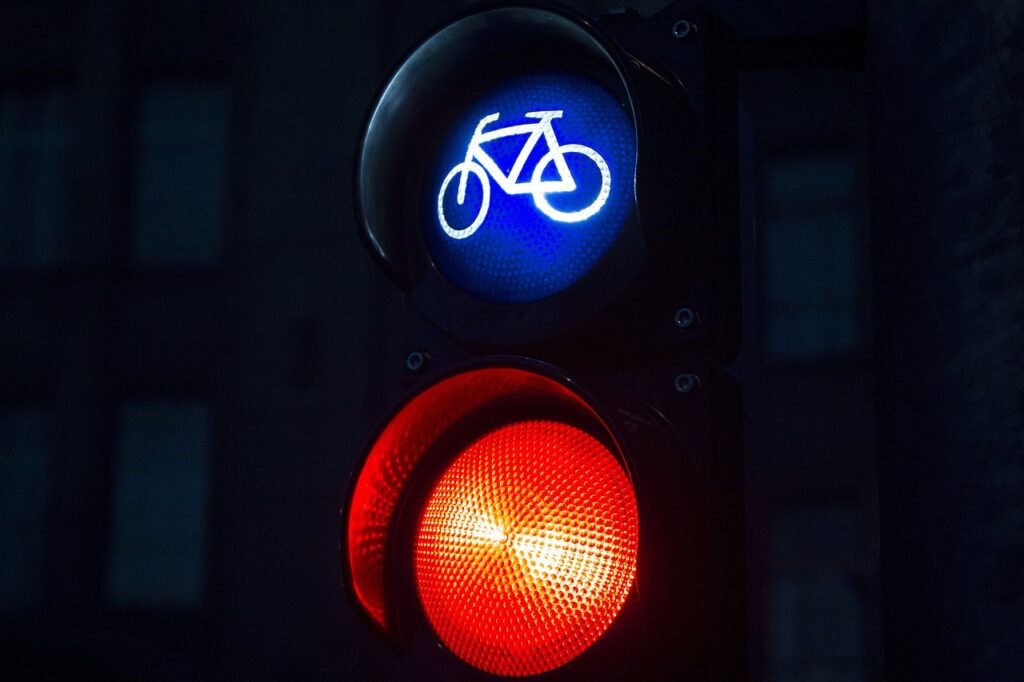
For decades, traffic signals were stubborn creatures, locked into fixed timers that ignored the reality unfolding around them. A street could be empty at 3 a.m., yet the light would still force drivers to wait. That era is fading. Smart signals now come equipped with sensors and cameras, constantly reading the pulse of the road and adjusting their rhythms accordingly. The results are tangible: congestion drops by a fifth, travel times shrink by a tenth, and emissions fall by fifteen percent. These numbers aren’t just statistics; they represent hours returned to drivers and cleaner air for everyone.
Surveillance has also evolved far beyond the grainy CCTV images of the past. Radar sensors and advanced video analytics now watch over highways and intersections, spotting a stalled car or a pedestrian stepping off the curb in seconds. When something goes wrong, the system doesn’t just record it; it acts. Emergency services are alerted automatically, and traffic is rerouted before the ripple effect turns a small incident into a gridlock nightmare.
Public transit, once seen as the slower cousin of private cars, is being woven into this intelligent network. By syncing bus and train schedules with real-time demand, engineers are shaving minutes off journeys and packing more passengers into each vehicle. Commuters now check their phones and see exactly when the next bus will arrive, not as an estimate, but as a promise backed by live data.
Looking ahead, the next wave of change is already forming on the horizon. Artificial intelligence is learning to predict traffic jams before they happen, allowing cities to intervene early. Internet of Things sensors are measuring everything from road surface temperature to air quality, painting a complete picture of urban health. And with 5G connecting vehicles, traffic lights, and even pedestrians, the dream of autonomous cars gliding through coordinated streets is edging closer to reality.
But beneath all this technology lies a simpler truth. Traffic engineering is ultimately about people. It’s about the parent who makes it home in time for dinner, the delivery driver who reaches the next stop without delay, and the commuter who steps off a train feeling calm instead of frazzled. Every algorithm and sensor exists to serve that human moment. As cities grow and streets get busier, the challenge will be to keep that focus clear, ensuring that our mobility systems make urban life not just more efficient, but more humane.