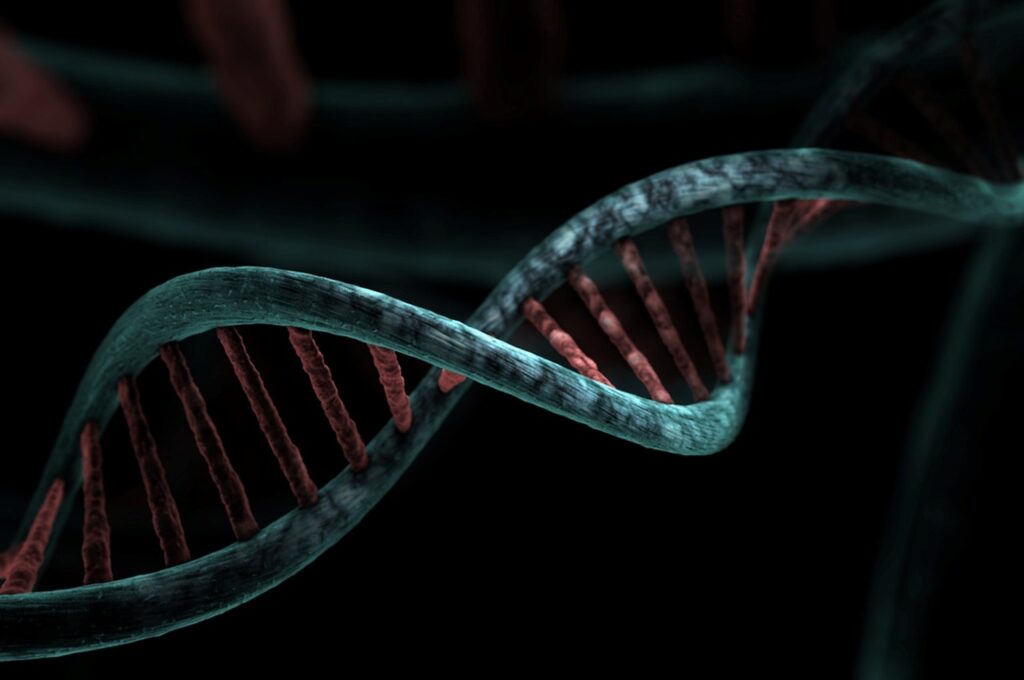
Hidden within the twisted architecture of your genome lies a quiet war—a molecular tug-of-war where your mother’s and father’s genes don’t always play by the same rules. This isn’t science fiction. It’s genomic imprinting, a phenomenon that has left geneticists scratching their heads for decades because it flips the classic Mendelian inheritance script on its head. Forget the idea that you get one working copy from each parent. In this strange corner of biology, a gene’s fate is decided by which parent it came from, and one copy is often silenced as if it never existed.
The trick is all in the chemical tags. Through a process called differential methylation, your cells slap methyl groups onto DNA and tweak histones, the proteins that package genetic material, to mark each parental allele. These tags act like tiny flags, telling the cellular machinery which gene to switch on and which to shut down. Take the IGF2 gene, a key driver of fetal growth. It’s almost always active only on the paternal side, while the maternal copy lies dormant, locked away by a specific differentially methylated region, or DMR. This isn’t just a neat biological quirk—it’s a delicate balancing act that keeps development on track.
When that balance tips, the consequences can be severe. Consider Prader-Willi syndrome and Angelman syndrome, two neurodevelopmental disorders with vastly different symptoms. Both trace back to problems with imprinted genes on chromosome 15, yet they produce opposite outcomes depending on which parent’s contribution is lost. Then there’s Beckwith-Wiedemann syndrome, a rare condition characterized by overgrowth and a heightened cancer risk, often linked to faulty imprinting in the IGF2 and H19 gene pair. These aren’t abstract anomalies; they’re real-world evidence that imprinting isn’t just a laboratory curiosity—it’s a critical player in human health.
Let’s zoom in on a specific example to see how messy this can get. The CDKN1C gene, which encodes a protein that puts the brakes on cell division, is normally expressed only from the maternal allele. The paternal copy is silenced by a nearby DMR, keeping things in check. But if that paternal gene wakes up unexpectedly, the resulting surge in CDKN1C activity can stunt growth and elevate cancer risk. It’s a stark reminder that even a single misplaced epigenetic mark can ripple through the body with profound consequences.
What makes this field so compelling isn’t just the molecular mechanics—it’s the bigger story about how life balances competing parental interests. Imprinting likely evolved as a way to fine-tune resource allocation during development, with paternal genes pushing for growth and maternal genes pulling back to conserve resources. That evolutionary tug-of-war is still playing out in your cells today, and scientists are only beginning to map its full influence on everything from brain development to metabolic disorders.
As researchers peel back the layers of this epigenetic puzzle, new doors are opening. Understanding imprinting could illuminate the root causes of diseases that have long baffled clinicians, and it might even pave the way for targeted therapies that correct these errors at their source. The genome, it turns out, is far more dynamic than we once believed. It’s not just a static blueprint—it’s a living, breathing negotiation between two parents, written in chemical code. And the more we learn about that negotiation, the closer we get to unlocking the secrets of life itself.