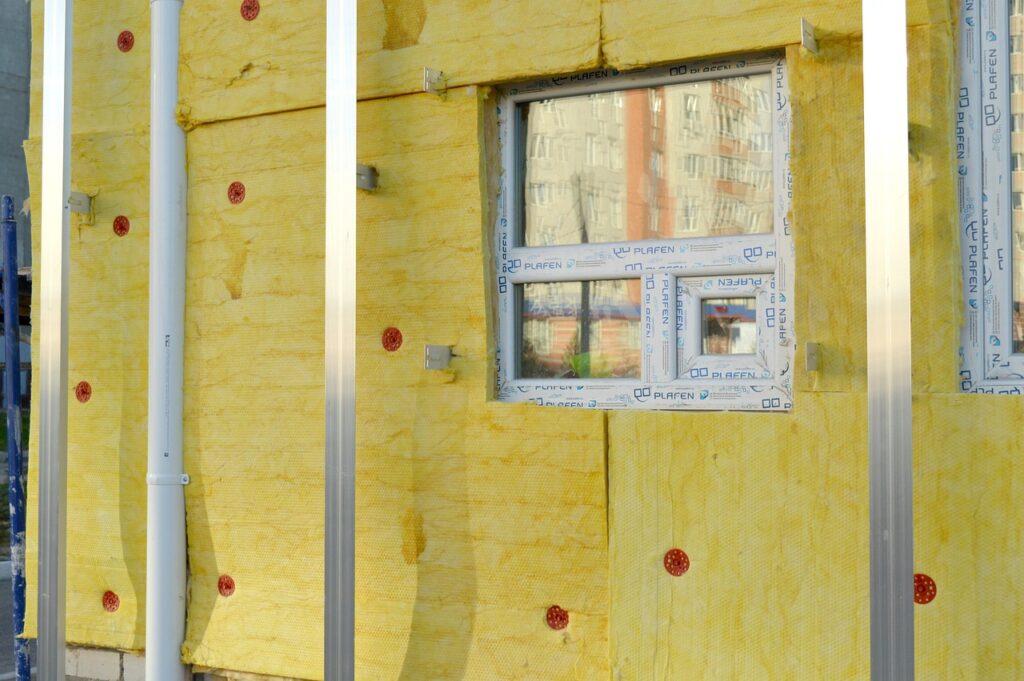
When you think of insulation, you probably picture pink fiberglass in an attic or foam wrapping a coffee cup. But behind those humble materials lies a complex engineering discipline that blends thermodynamics, metallurgy, and even lessons from swamp ecosystems. This is the world of insulator engineering, where the goal is simple—slow down heat—but the science is anything but.
At its core, the field is governed by a deceptively elegant formula: thermal conductivity equals heat flow times material length divided by area times temperature difference. Engineers manipulate each of these variables to craft barriers that keep heat exactly where it belongs. But the real magic happens when they start mixing elements that, on the surface, seem completely wrong for the job.
Take rhodium, for instance. This rare, silvery metal is prized for its conductivity—the opposite of what you want in an insulator. Yet when alloyed with cobalt, something surprising occurs. The combination produces materials with remarkable thermal stability, able to hold their insulating properties through punishing temperature swings. That makes them invaluable in aerospace components and industrial furnaces, where failure is not an option. By fine-tuning the alloy’s composition and microstructure, engineers can dial in the exact thermal behavior needed for each extreme application.
But human innovation often borrows from nature’s playbook. Wetlands, with their layered mix of water, soil, and vegetation, are natural masters of thermal regulation. They’ve inspired researchers to create nanostructured materials that mimic the cellular architecture of plants. These porous ceramics and polymers trap air in intricate hierarchies, achieving insulation performance that rivals anything synthetic. It’s biomimicry at its finest—learning from ecosystems that have spent millennia perfecting energy efficiency.
None of this would be possible without mathematics. Computational models based on finite element analysis or Monte Carlo simulations let engineers solve the heat equation across complex geometries. They can test how different compositions, shapes, and boundary conditions affect performance before a single prototype is built. This predictive power has transformed the field, enabling insulation tailored for everything from skyscrapers to microchips.
The result is a quiet revolution in how we manage energy. Every time a building stays cool in summer or a spacecraft survives reentry, it’s a testament to the unseen work of insulator engineers. They’re not just building barriers—they’re shaping the future of efficiency, one layer at a time.