The smooth rhythm of a city’s morning commute is not an accident. It is the result of a quiet, relentless discipline known as traffic engineering, a field that orchestrates the movement of cars, buses, bicycles, and foot traffic through the concrete arteries of our urban centers. This is not merely about asphalt and stoplights; it is a continuous, high-stakes performance where every second of delay ripples through the economy and the environment. At the cutting edge of this discipline sits the intelligent transportation system, a fusion of data and design that is rewriting how our cities breathe.
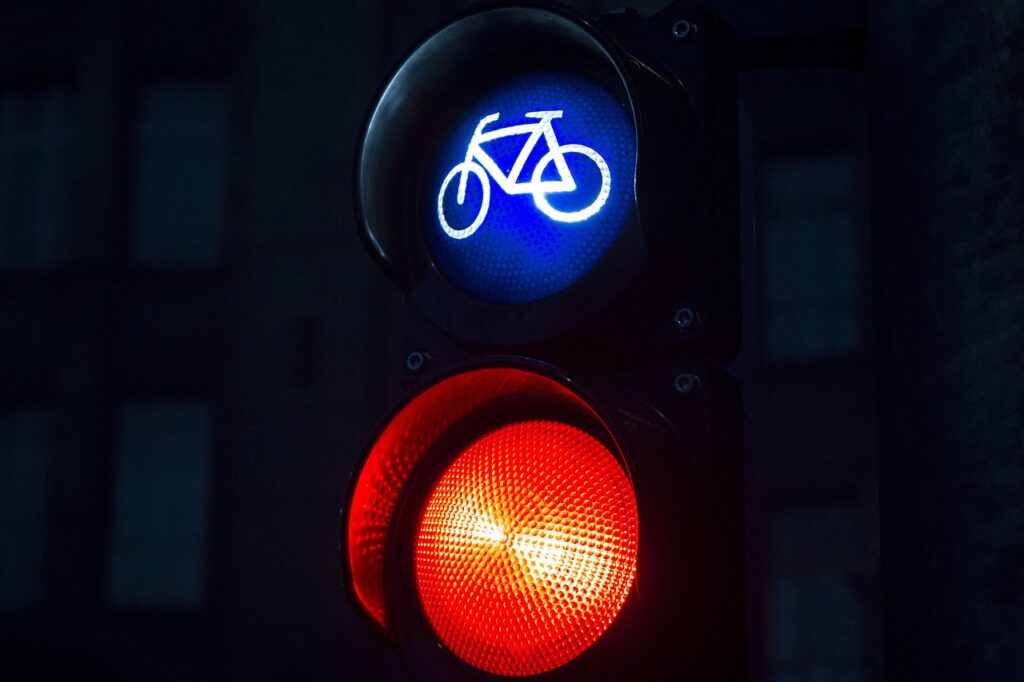
Picture a metropolis where intersections think for themselves. Instead of rigid timers that count down blindly, traffic lights become sentient beings, sensing the ebb and flow of vehicles around them. They stretch green lights for a packed boulevard during rush hour or shorten them for a quiet side street at midnight. This adaptive choreography is not a futuristic fantasy. It is the core of modern signal control, a system that uses embedded sensors and live data to shave off significant chunks of travel time. The numbers are striking: cities that embrace this technology routinely see congestion drop by a fifth, while travel times shrink and tailpipe emissions fall dramatically. The result is a commuter who spends less time idling and more time living.
But the intelligence does not stop at the curb. High above the streets, a network of cameras and radar units watches over the flow, acting as the city’s nervous system. These eyes do more than just record; they interpret. When a fender bender halts traffic on a major artery, the system does not wait for a panicked phone call. It detects the sudden slowdown, pinpoints the location, and alerts emergency responders before the first siren is even heard. This digital vigilance also catches the subtle dangers—a pedestrian stepping off a curb, a piece of debris in a fast lane—ensuring that a minor incident does not spiral into a gridlock crisis.
The pulse of the city also beats through its public transit. Gone are the days when a bus schedule was a hopeful suggestion. Intelligent systems now weave buses and trains into the same data fabric as the roads, adjusting routes and headways on the fly to match demand. For the passenger, this means a smartphone app that knows exactly when the next train arrives, not just when it is scheduled to. It is a shift from waiting in uncertainty to moving with precision, making the choice to leave the car at home an easier one.
Looking ahead, the future of this field is being forged in the realm of artificial intelligence and hyper-connectivity. Algorithms are learning to predict the chaos of a snowstorm or a major concert, allowing engineers to adjust the network before the gridlock even begins. Sensors are becoming so pervasive that they can measure not just traffic, but the very air quality and road surface temperature. And with the arrival of ultra-fast wireless networks, the conversation between a car, a traffic light, and a pedestrian’s phone will become instantaneous, laying the groundwork for a world of autonomous vehicles that could finally erase the human error from the driving equation.
Yet, for all its technological wizardry, the true measure of traffic engineering remains profoundly human. It is not about moving the maximum number of cars, but about giving people back their time and making our streets safer for a child walking to school or a cyclist navigating a busy intersection. As cities grow denser and the pressure on our infrastructure mounts, this discipline will be the quiet force that keeps us moving forward. The ultimate victory is not a perfect flow of traffic, but a city that feels less like a machine and more like a home.