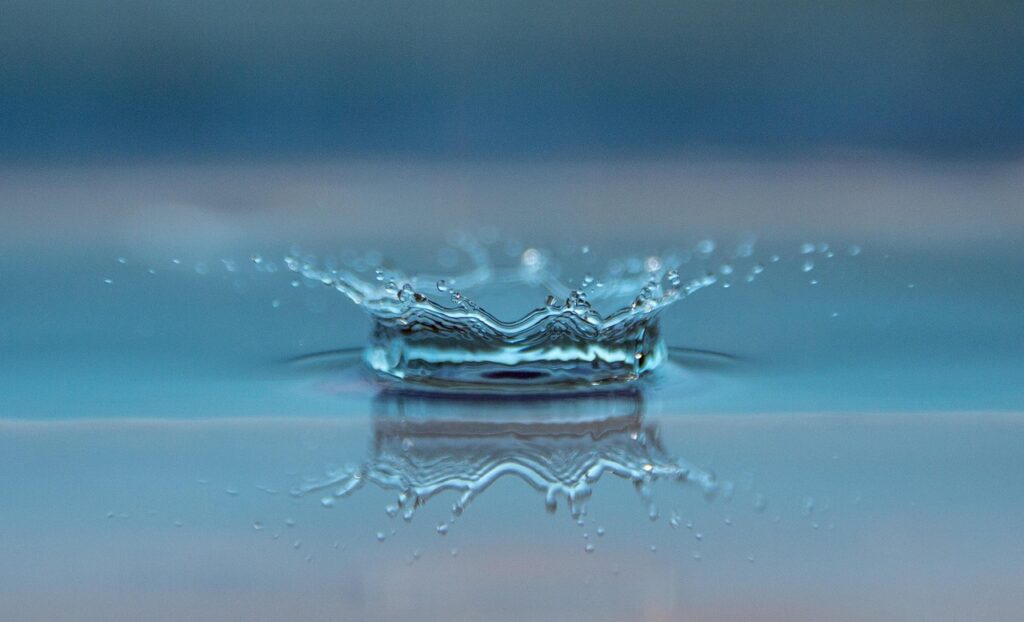
Every time you splash water on a windshield, watch a drop bead up and roll away, or rely on a catalytic converter to clean your car’s exhaust, you are witnessing the quiet, powerful work of surface chemistry. This discipline, sitting at the crossroads of physics, chemistry, and materials science, explores the delicate dance between a solid surface and the molecules that land on it. It is a world invisible to the naked eye, yet it shapes everything from the stickiness of a bandage to the efficiency of a fuel cell.
At the heart of this field lies adsorption, the process by which molecules cling to a surface and form a thin, often invisible film. This is not just a scientific curiosity; it is the engine behind catalysis, where surfaces can either speed up or slow down chemical reactions. Imagine a factory producing fertilizer to feed billions of people—without the right surface chemistry, that process would grind to a halt. The behavior of these clinging molecules is elegantly captured by the Langmuir equation, a formula that ties together how much of a surface is covered, the pressure around it, and the temperature. It sounds simple, but it reveals a deep truth: surfaces are not passive backdrops. They actively negotiate with the molecules that touch them.
Surface energy, another cornerstone of this field, dictates how liquids behave on a solid. Think of a freshly waxed car hood after a rainstorm: water forms tight, perfect beads because the surface energy is low. On a clean, high-energy surface, water spreads out into a thin sheet. This is not just about aesthetics. The Young-Laplace equation, which links surface energy, contact angle, and droplet curvature, helps engineers design everything from waterproof fabrics to medical implants that resist bacterial buildup. A tiny tweak in surface energy can mean the difference between a surface that repels blood and one that encourages healing.
But surface chemistry is not just about observing nature; it is about rewriting it. Scientists can now engineer surfaces at the molecular level, creating self-assembled monolayers, or SAMs, which are orderly films that build themselves through weak molecular forces. By choosing the right building blocks, researchers can make a surface that is slippery, sticky, reactive, or inert. This is how we get non-stick pans, anti-fog glasses, and sensors that detect trace amounts of toxins in water. The possibilities are as vast as the molecules themselves.
In the end, surface chemistry is a hidden architect of our modern world. It is the reason your phone screen repels fingerprints, why your paint adheres to a wall, and how your body accepts a titanium hip replacement. By peering into these microscopic interactions, scientists are not just satisfying curiosity—they are designing the materials and technologies of tomorrow. The next time you watch a drop of water glide across a leaf, remember: you are seeing a masterpiece of surface chemistry in action.