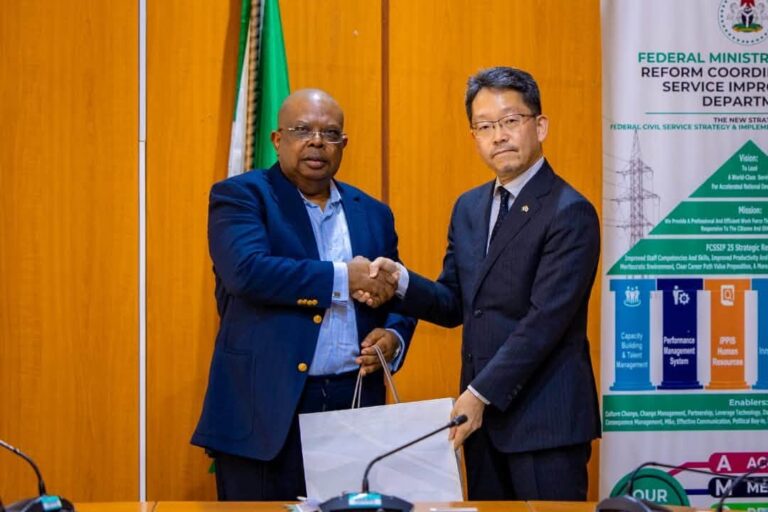
The South African Consulate in Lagos has dismissed reports claiming a suspension of visa issuance to Nigerian citizens, attributing the speculation to ongoing anti-migrant protests in South Africa. Consul General Professor Bobby Moroe addressed the matter during a round-table discussion hosted by the Nigerian Institute of International Affairs, which examined South Africa’s xenophobia in comparative perspective.
Moroe stated unequivocally that Nigerian applicants who meet established entry requirements will continue to receive visas without interruption. “Visas continue to be issued in spite of the ongoing protests and Nigerians are still visiting the country for Tourism and other legitimate purposes,” he said. He emphasized that no Nigerian traveller would face discrimination because of the current social unrest, adding that rejections would occur only when applicants fail to satisfy documented criteria. “We wish to make it clear again that Nigerians under these circumstances faced today will never be discriminated against,” Moroe said. “No basis will justify why your visa is rejected except that you, for one reason or another, may not have provided the requirements of the visa.”
The clarification comes amid heightened tension following outbreaks of violence targeting foreign nationals in several South African provinces. While the protests have drawn international concern, Pretoria has maintained that its immigration policy remains unchanged and applies uniformly to all nationalities.
In a related development, Moroe announced the rollout of an Electronic Travel Authorisation system, known as the ETA, as part of a broader effort to modernise the country’s border management framework. The digital platform is designed to reduce paperwork and accelerate processing times for eligible visitors. Applicants will be able to submit requests directly from mobile devices, a move officials say will enhance convenience, security, and efficiency.
The ETA rollout aligns with South Africa’s stated goal of digitising consular services to improve the traveller experience while maintaining regulatory integrity. Consular officials indicated that the system would complement existing visa channels rather than replace them entirely, offering a streamlined option for short-term visits.
Analysts suggest the dual messaging — reassurance on current operations and investment in digital infrastructure — signals Pretoria’s intent to stabilise regional mobility amid diplomatic friction. The Nigerian Institute of International Affairs forum underscored the need for sustained dialogue between the two nations, which share deep economic and cultural ties.
As both governments navigate the fallout from recent unrest, the focus remains on protecting legitimate cross-border movement while addressing the root causes of anti-immigrant sentiment. Further engagements between consular officials and stakeholder groups are expected in the coming weeks.