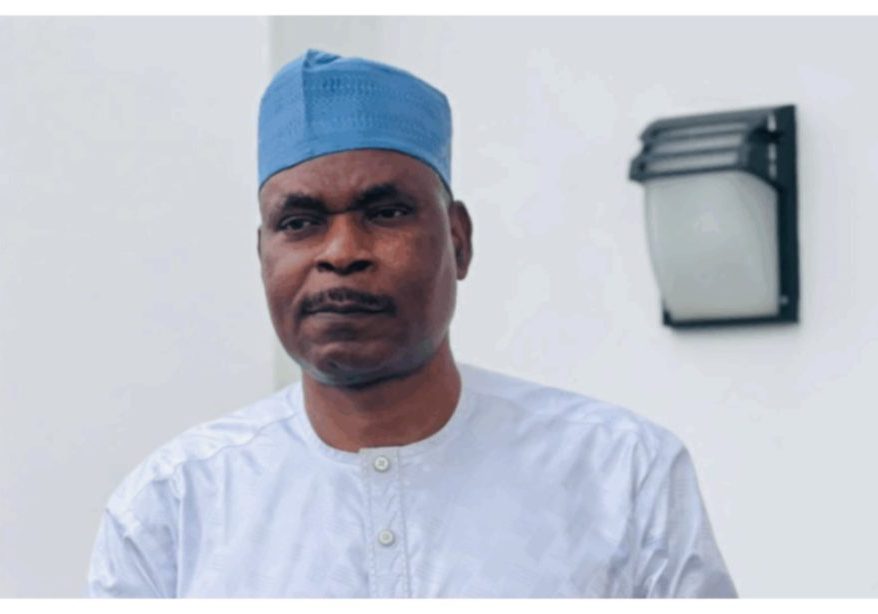
In a recent development, the Nigerian Senate has given its stamp of approval to the appointment of seven out of ten nominees as Resident Electoral Commissioners (RECs) for the Independent National Electoral Commission (INEC). The remaining three nominees were not present for screening during the approval process.
The approved nominees include Mr. Etekamba Umoren from Akwa Ibom, Mr. Isha Ehimeakne from Edo, Barrister Oluwatoyin Babalola from Ekiti, Mr. Abubakar Ahmed from Gombe, Shehu Wahab from Kwara, Aminu Idris from Nasarawa, and Mohammed Abubakar Sadiq from Niger.
It is worth recalling that President Tinubu had submitted the names of these new RECs for confirmation at the Senate. The appointment of each commissioner is set for a duration of five years, pending the confirmation by the Nigerian Senate.
Following the Senate’s affirmation, the appointments have now been officially confirmed, ushering in a new era for INEC with competent individuals assuming key positions in the electoral body.
With these appointments, INEC is expected to benefit from the diverse expertise and regional representation of the approved RECs in ensuring the credibility and integrity of the electoral process across the nation.
The approval is a significant step toward bolstering democratic processes and fostering public trust in the electoral system. By appointing competent and qualified individuals to critical positions, the government demonstrates its commitment to conducting free, fair, and transparent elections in Nigeria.
It is crucial to highlight the pivotal role INEC plays in the democratic landscape of Nigeria. As an independent body responsible for conducting elections and effectively managing the electoral process, it plays a vital role in upholding the democratic principles of the nation.
By appointing new RECs, President Tinubu has taken a proactive approach to strengthen INEC’s capabilities and ensure its readiness to deliver credible and transparent elections in the future. This move comes in the wake of growing demands for electoral reforms and a stronger electoral system.
As we look to the future, these appointments mark a significant milestone in Nigeria’s electoral journey. It is a step towards building a resilient democracy that empowers citizens and reinforces Nigeria’s position as a beacon of democracy in Africa.