
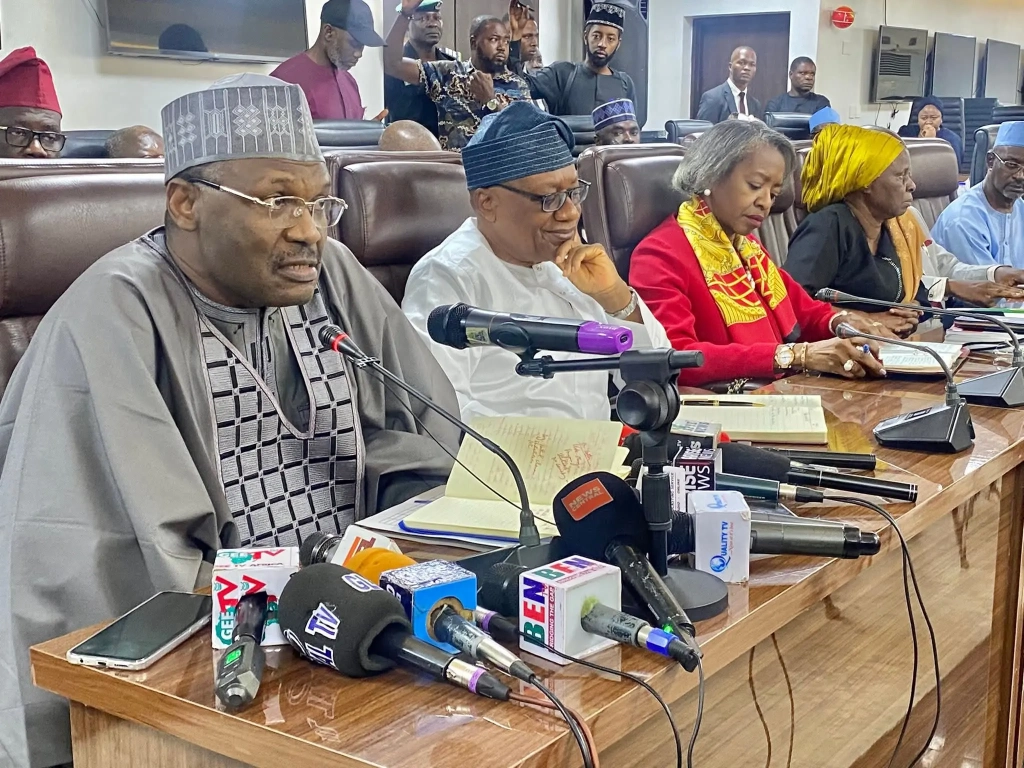
Concerns over the credibility of Nigeria’s 2027 general elections have intensified, with calls for rigorous transparency to avert potential political destabilization. Dr. Hakeem Baba-Ahmed, a former adviser to Nigeria’s Vice President, issued a stark warning this week, urging electoral authorities and political leaders to address mounting doubts about the fairness of the polls. His remarks arrive as lawmakers propose consolidating five major elections into a single voting day—a move experts say could reshape the electoral landscape. In a social media post on Monday, Baba-Ahmed emphasized that flawed elections risk triggering nationwide unrest. “Voices are being raised regarding the integrity of the 2027 elections,” he wrote on X (formerly Twitter). “Anything short of the most transparent elections will produce neither winners nor losers. Rigging will risk plunging this country into its worst crises. No one wants that.” The statement reflects growing apprehension among civil society groups and opposition figures about Nigeria’s capacity to conduct free and fair polls, particularly after the 2023 elections drew allegations of logistical failures and voter suppression. Simultaneously, Nigeria’s House of Representatives is advancing a proposal to hold presidential, legislative, and state-level elections on one day in 2027. If approved, the revised Electoral Act would authorize the Independent National Electoral Commission (INEC) to conduct all five tiers of elections—presidential, senatorial, House of Representatives, governorship, and state assembly races—simultaneously. Proponents argue the measure could reduce costs and voter fatigue, but critics warn it may overwhelm electoral infrastructure, potentially exacerbating existing challenges like delayed result declarations and technical glitches. The debate unfolds against a backdrop of heightened scrutiny of INEC’s readiness. During the 2023 polls, the commission faced criticism for discrepancies in its electronic voter accreditation system and delayed uploads of results to its portal, which opposition parties claimed enabled tampering. While INEC has pledged reforms, analysts stress that public trust remains fragile in a nation where electoral disputes frequently end in protracted court battles. As Africa’s most populous democracy, Nigeria’s political stability carries regional implications. The 2027 elections mark the first major test for President Bola Tinubu’s administration, which came to power in a contentious race upheld by the Supreme Court. With the proposed legislative changes and civil society demands for accountability, the stakes are high for INEC to demonstrate impartiality and operational competence. Failure to do so, observers caution, could deepen public disillusionment and fuel tensions in a country already grappling with economic strain and security challenges.
African Politics
2 min read
Transparency in Nigeria’s 2027 Elections Key to Avert National Crisis, Expert Warns
Concerns over the credibility of Nigeria’s 2027 general elections have intensified, with calls for rigorous transparency to avert potential political […]
More stories like this

African Politics
Davido Warns Tinubu of Trump Involvement in Osun Election
African Politics
NDC Inaugurates Reconciliation Committees Ahead of 2027 Elections
African Politics
Davido Urged to Address National Issues, Report Tinubu to Trump
African Politics
Comments are closed for this story.