
The Nigerian government is poised to generate an estimated N796 billion ($626 million) annually from a newly introduced 5% surcharge on fossil fuels, including petrol, diesel, and aviation fuel, under revised tax legislation set to take effect in January 2026. The measure, signed into law by President Bola Tinubu in June 2025 as part of broader fiscal reforms, aims to bolster revenue while exempting renewable energy products and household essentials like cooking gas. According to the Nigeria Tax Administration Act, the levy applies to locally produced and imported fossil fuels at the point of transaction. Data from the Nigerian Midstream and Downstream Petroleum Regulatory Authority (NMDPRA) reveals that petrol consumption alone reached 18.75 billion liters in 2024, valued at N15.93 trillion (approximately $12.5 billion) based on an average price of N850 per liter. A 5% surcharge on this amount accounts for the projected N796 billion yearly income, though this figure is expected to rise when taxes on diesel, kerosene, and other covered fuels are factored in. The policy has drawn sharp criticism from fuel marketers, who warn it will exacerbate Nigeria’s already volatile petrol prices. Chinedu Ukadike, spokesman for the Independent Petroleum Marketers Association of Nigeria, argued that consumers will ultimately shoulder the added cost. “Marketers cannot absorb this burden—it will inevitably reflect in pump prices nationwide,” he stated. As of late July 2025, petrol prices in major cities like Lagos and Abuja ranged between N865 and N905 per liter, raising concerns about further inflationary pressures. Analysts note the surcharge aligns with global efforts to transition toward cleaner energy by discouraging fossil fuel use, though exemptions for compressed natural gas and household cooking gas aim to mitigate public backlash. The law’s implementation in 2026 provides a two-year buffer for stakeholders to adapt, but debates continue over its potential economic ripple effects. Critics argue that increasing fuel costs could strain households and businesses still recovering from recent subsidy removals and currency reforms, underscoring the delicate balance between revenue generation and economic stability. The move signals Nigeria’s push to expand its tax base amid declining oil revenues and mounting public debt. However, its success hinges on transparent enforcement and public acceptance, particularly in a nation where fuel prices remain a highly sensitive issue. With inflation hovering at 28.8% as of mid-2025, the policy’s long-term impact on both government coffers and everyday Nigerians is poised to shape the country’s economic landscape in the years ahead.
African Business News
2 min read
Nigeria to Collect N796bn Annually from New 5% Petrol Surcharge
The Nigerian government is poised to generate an estimated N796 billion ($626 million) annually from a newly introduced 5% surcharge […]

More stories like this

African Business News
Moss Secures €30M Series C, Achieves Unicorn Status

African Business News
Tinubu Announces Full NNPCL Listing on Nigerian Exchange
African Business News
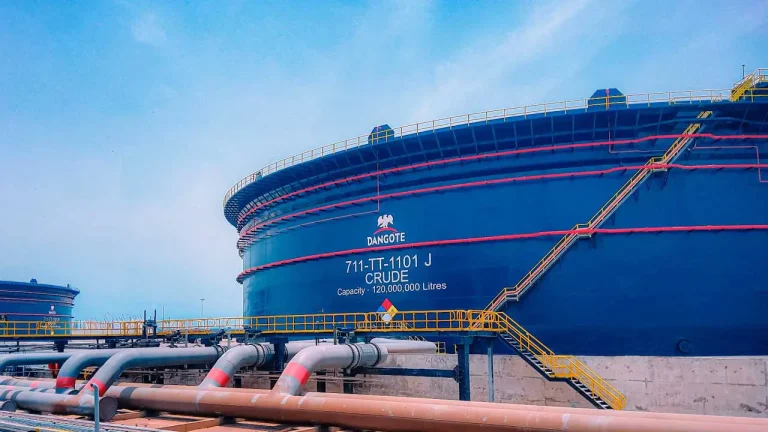
Dangote Refinery Tops Europe Jet Fuel Imports Second Month

African Business News
Comments are closed for this story.