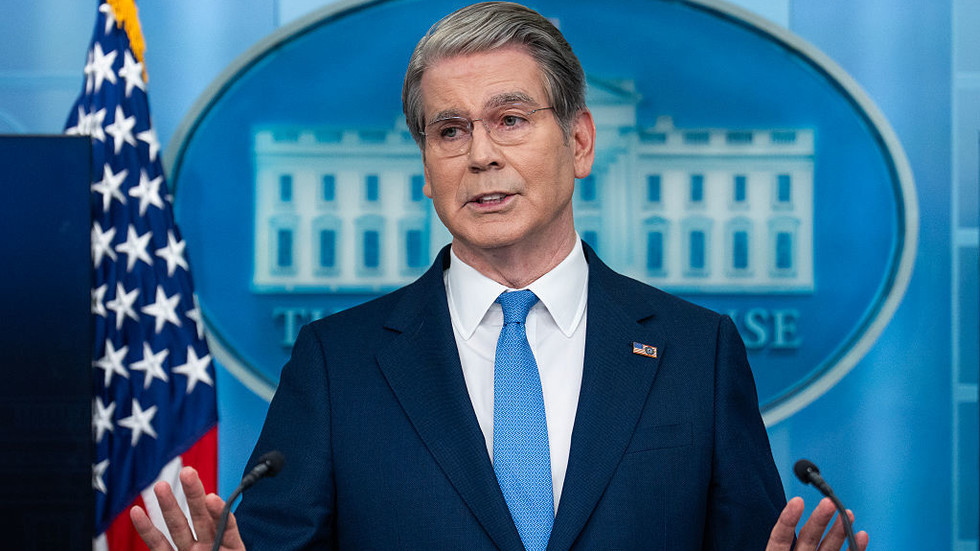
US Treasury Secretary Scott Bessent has declared the end of the “K-shaped Economy,” arguing that the long-standing divide between wealthy and lower-income Americans is narrowing. In an interview with CNBC, Bessent said the US is transitioning to a “C-shaped economy” where lower-paid workers are beginning to catch up, citing a 2 percent real wage gain for the bottom 25 percent of earners.
The remarks come ahead of November’s midterm Elections as economic data presents a mixed picture. The Federal Reserve’s preferred inflation gauge remains above the 2 percent target. Soaring energy costs linked to the US-Israeli war on Iran, alongside global tariffs imposed by the Trump administration, continue to pressure consumer prices. A Marquette University Law School poll released this week found inflation and the cost of living remain the top concern for 35 percent of Americans.
President Donald Trump has pointed to record stock market highs and gains in 401(k) retirement accounts as evidence of economic strength. However, economists caution that rising equity prices largely benefit wealthier households, given the concentration of stock ownership. Moody’s Analytics estimated that in the first quarter of 2026, households earning more than $200,000 accounted for nearly 60 percent of consumer spending, with their outlays outpacing inflation. Inflation-adjusted spending by the remaining 80 percent of earners was broadly unchanged.
Recent wage data offers a nuanced view. The Federal Reserve Bank of Atlanta’s Wage Growth Tracker shows positive wage growth this year but does not indicate that earnings for the lowest-paid workers have overtaken those at the top. Bessent highlighted tax measures in Trump’s “One Big Beautiful Bill Act,” including breaks on tips and overtime, deductions for certain auto loan interest, and lower taxes for some retirees, arguing they will benefit households over time.
The Tax Policy Center estimates that nearly 60 percent of the law’s tax benefits will flow to households earning about $217,000 or more annually, suggesting the largest share of relief accrues to higher-income Americans. The debate underscores ongoing disagreements over the breadth of the economic recovery as voters head toward the midterm elections.