
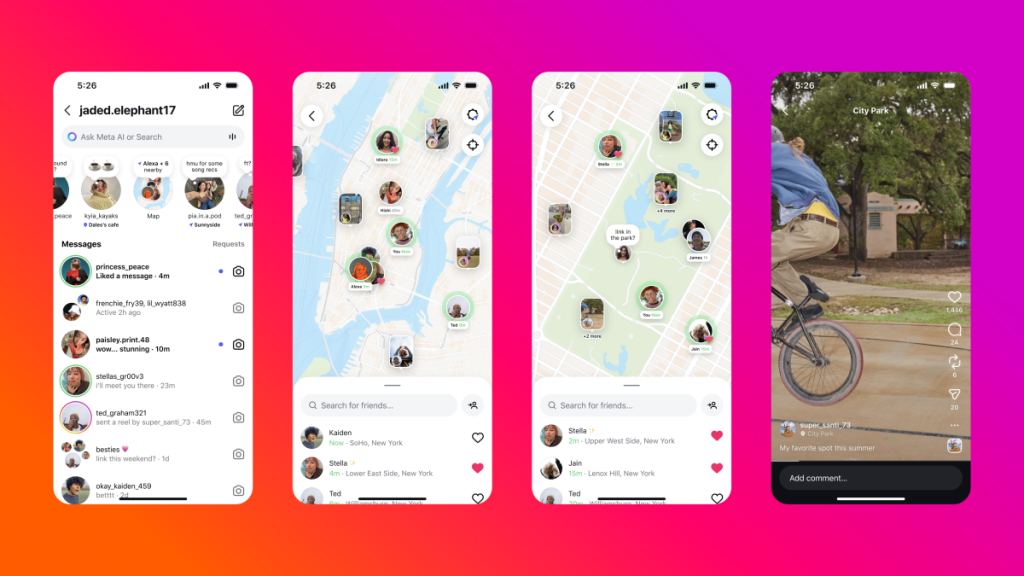
Meta’s Instagram has introduced a real-time location-sharing tool, dubbed “Map,” now available to U.S. users as of August 6. The optional feature—similar to Snapchat’s Snap Map and Apple’s Find My network—enables friends to coordinate meetups or discover nearby hotspots recommended by creators. Accessible via a circular icon on the app’s messages page, the map displays contacts’ whereabouts and aggregates location-tagged posts, aiming to blend social planning with exploration. The tool arrives amid broader shifts toward location-centric social features, which platforms increasingly view as vital for fostering real-world connections. Instagram emphasizes user control: location sharing is disabled by default, activated only when the app is open, and updates cease once closed. Privacy settings allow users to limit visibility to close friends, exclude specific accounts, or hide locations entirely. These safeguards seek to address concerns about unintended tracking or oversharing, a recurring issue with geotagged content. While marketed as a tool for strengthening friendships, the feature also capitalizes on the popularity of location-based discovery. Users can browse restaurants, events, or stores frequented by peers or influencers—a trend that has reshaped urban exploration but sometimes leads to overcrowding. Viral recommendations on platforms like TikTok and Instagram have, in recent years, strained small businesses and altered the character of quiet neighborhoods, highlighting potential downsides of algorithm-driven foot traffic. Instagram’s entry into the space reflects demand for dynamic, real-time interaction, yet it also surfaces familiar tensions. The company notes that location data isn’t stored beyond active sessions, a contrast to broader data collection practices criticized by privacy advocates. Analysts suggest such features could deepen user engagement but caution against normalization of constant tracking, even among consenting adults. For now, the Map tool remains confined to the U.S., with no confirmed timeline for global rollout. Its adoption may hinge on balancing utility with discretion—a challenge as social platforms increasingly blur digital and physical worlds. As one tech analyst observed, “Location sharing isn’t new, but its integration into mainstream apps demands renewed conversations about who gets to see your life—and where.”
African Tech News
2 min read
Instagram Debuts Map to Share Locations with Privacy Controls
Meta’s Instagram has introduced a real-time location-sharing tool, dubbed “Map,” now available to U.S. users as of August 6. The […]
More stories like this

African Tech News
Meta launches global subscription plans for apps

African Tech News
AI Boom Sparks Booing at University Commencements Across Campus

African Tech News
Transparent Perovskite Solar Cells Power Renewable Windows

African Tech News
Comments are closed for this story.