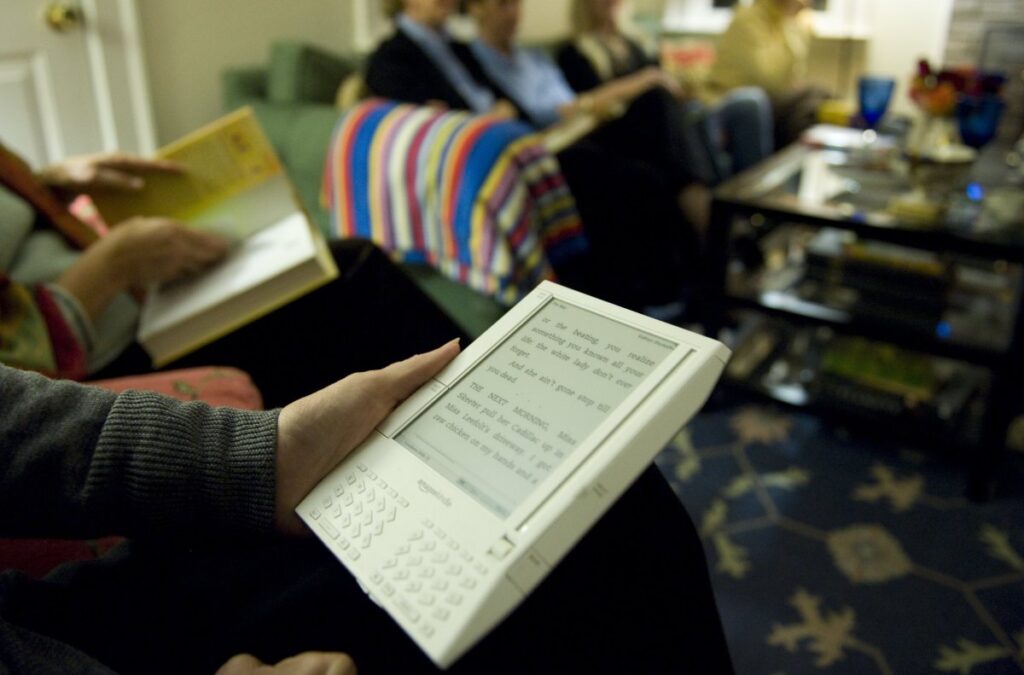
Amazon has announced that, as of 20 May, it will cease technical support for a range of legacy Kindle devices, including the original Kindle, Kindle 2, Kindle DX and DX Graphite, Kindle Keyboard, Kindle 4, Kindle 5, Kindle Touch, the first‑generation Paperwhite, the first‑generation Kindle Fire, Kindle Fire 2, Kindle Fire HD 7 and Kindle Fire HD 8.9. The decision means the affected e‑readers will no longer receive software updates or Amazon‑hosted services; they will be limited to displaying content already stored on the device.
The news has spurred a noticeable increase in attempts to jailbreak these older models. Jailbreaking refers to the process of bypassing Amazon’s firmware restrictions so that users can install custom fonts, alternative reading applications, new screensavers and other third‑party tools that extend a Kindle’s functionality. While the practice is not classified as a criminal offense in most jurisdictions when confined to personal use, it does contravene Amazon’s terms of service and may expose users to legal risk if it involves copyrighted material, illicit software distribution or the commercial sale of modified devices.
Owners who elect to jailbreak typically cite a desire to retain control over hardware that remains functional despite the loss of official support. The procedure, however, is technical and carries the risk of rendering a device inoperable. Not every Kindle model or firmware version can be modified, so potential jailbreakers are advised to verify compatibility before proceeding. The general steps reported by users are as follows: first, disable Wi‑Fi or place the device in airplane mode to prevent automatic updates that could close known exploits. Next, obtain a jailbreak package from a reputable community source—most notably the MobileRead forum, which is widely regarded as reliable. The package includes a zip file containing a hot‑fix that preserves the jailbreak after installation.
The installer files, usually in .bin format, are transferred to the Kindle’s root directory via a USB connection to a computer. Installation can be triggered by entering a specific command in the Kindle’s search bar or by selecting “Update Your Kindle” from the settings menu. After the core jailbreak is applied, many users install the Kindle Unified Application Launcher (KUAL), a management tool that simplifies the addition of further custom applications. One of the most popular add‑ons is KOReader, an open‑source e‑book reader that adds support for formats such as EPUB, improves PDF handling and provides a built‑in file browser.
Despite its appeal, jailbreaking is not without drawbacks. Unofficial software can cause instability, frequent crashes or, in extreme cases, a bricked device. Battery life may also suffer due to the additional processes running on the hardware. For readers who prefer a lower‑risk approach, Amazon still allows sideloading of personal documents via USB, a method that does not require any alteration to the system firmware.
The discontinuation of support for older Kindles reflects a broader industry trend toward newer hardware and subscription‑based services. As African consumers increasingly seek cost‑effective digital reading solutions, the availability of affordable, fully supported e‑readers remains an important consideration. Devices such as the Boox Palma, Vivlio models and the compact Xteink X3 are emerging as alternatives for those unwilling to invest in the latest Amazon offerings.
The situation underscores the tension between manufacturers’ product life‑cycle policies and user expectations for device longevity. Amazon has not indicated whether it will extend support for any of the listed models in the future, leaving owners to choose between accepting limited functionality, pursuing a jailbreak, or upgrading to newer hardware. The evolving response from the Kindle community will likely shape how legacy e‑readers are used across the continent in the months ahead.