Indian ride‑hailing platform Rapido announced on Friday that it has secured $240 million in fresh equity funding, lifting its valuation to $3 billion. The round was led by Prosus and included participation from existing backers such as WestBridge Capital and Accel. Combined with a secondary tranche, the transaction brings the total financing to $730 million. Rapido’s valuation had stood at $2.3 billion after a secondary sale last year.
The new capital will be deployed to broaden Rapido’s presence in high‑growth Indian markets, reinforce its driver network and accelerate technology development across its multi‑modal platform. Co‑founder Aravind Sanka said the company is “going deeper into markets where demand exists, but supply remains fragmented,” adding that Rapido will sharpen its focus on “strengthening supply, building technologies, and expanding our multi‑modal footprint with far greater speed and intent.”
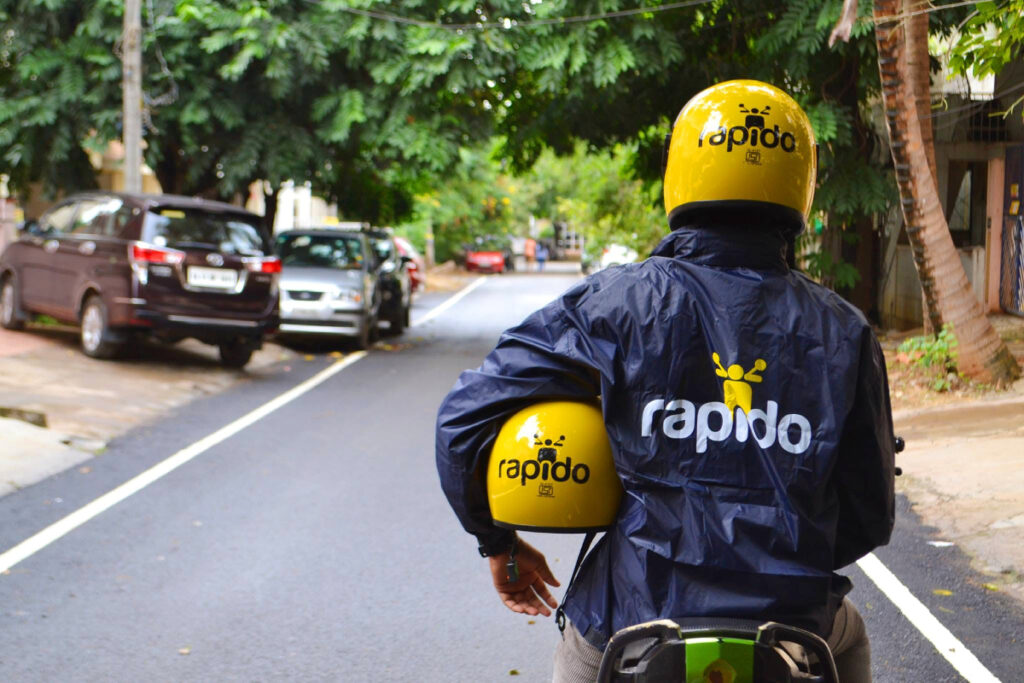
Rapido, founded in 2015, operates in more than 400 cities, offering low‑cost, on‑demand rides on motorbikes and autorickshaws. The startup has recently pushed into smaller towns and entered the food‑delivery sector through its subsidiary Ownly. Its rapid expansion reflects a broader investor appetite for India’s mobility space, despite ongoing concerns about price pressure, regulatory uncertainty and profitability.
The funding comes as global rival Uber intensifies its own India strategy. CEO Dara Khosrowshahi visited the country earlier this week and unveiled plans for two new technology campuses and a partnership for a local data centre. Uber injected $330 million into its Indian operations earlier in the year to counter competition from home‑grown players such as Ola, Rapido and regional startup Namma Yatri. Khosrowshahi has previously noted that Rapido has eclipsed Ola as Uber’s primary rival in India.
India remains one of the world’s most challenging ride‑hailing markets, with intense fare competition, high driver incentive costs and an evolving regulatory environment. Rapido’s ability to raise a sizable round at a $3 billion valuation suggests confidence that its multi‑modal, price‑sensitive model can capture further market share.
The infusion of funds positions Rapido to scale its technology stack, deepen its driver ecosystem and expand into additional services, a move that could reshape the competitive dynamics of Indian urban mobility and offer a blueprint for similar markets across Africa and other emerging economies. Future developments will likely focus on the company’s rollout speed, its ability to achieve sustainable profitability and how it navigates the regulatory landscape that continues to evolve across India’s cities.