
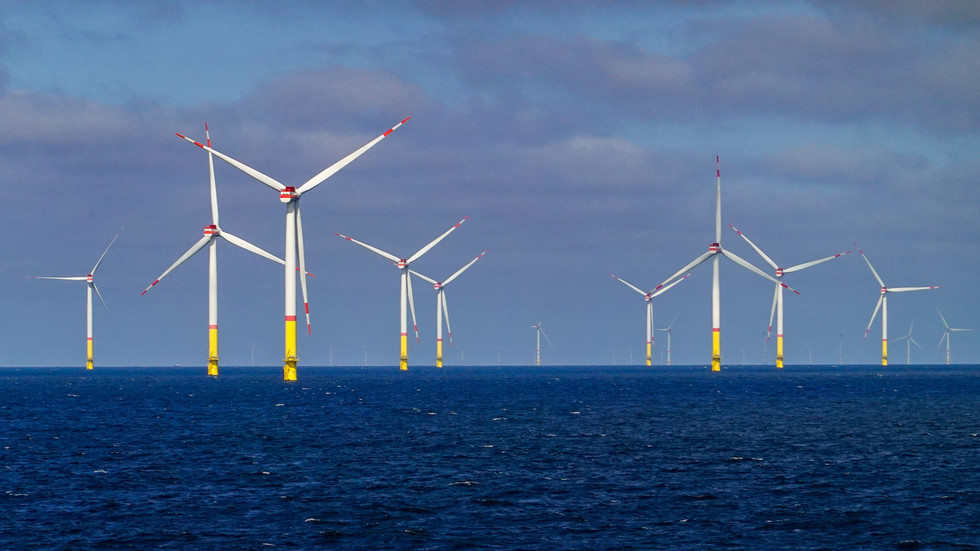
Poland is integrating advanced surveillance technology into a major offshore wind energy project near Russia’s Kaliningrad enclave, amid heightened regional tensions over critical infrastructure security. The Baltic Power wind farm, situated less than 200 kilometers from the Russian territory, is now being equipped with radars and sensors on its turbine towers under guidance from Poland’s Ministry of Defense, according to a report by Euractiv. The initiative aims to transform the renewable energy site into a dual-purpose NATO monitoring asset, reflecting growing concerns over hybrid threats allegedly linked to Russia. Scheduled for completion in 2026, the 76-turbine facility will supply electricity to 1.5 million Polish households while doubling as a strategic observation post. Marcin Godek, operations and maintenance manager for the project, confirmed that the defense-aligned upgrades comply with government protocols. The decision follows a string of unexplained incidents in the Baltic Sea, including the 2022 Nord Stream pipeline explosions and damage to the Balticconnector gas pipeline and EstLink 2 power cable last year. During construction, developers also reported unauthorized drone activity, ship movements near installations, and GPS signal interference, further driving calls for enhanced monitoring. “Physical attacks on energy infrastructure are a clear and present danger,” said Giles Dickson, CEO of Wind Europe, emphasizing that threats extend beyond cyberattacks. The remarks underscore a broader reassessment of infrastructure vulnerability across Europe. Ignacy Niemczycki, Poland’s EU affairs secretary, noted a paradigm shift in security planning: “We’re approaching infrastructure management with a new perspective compared to just twelve months ago.” Western officials have accused Moscow of involvement in sabotage campaigns targeting Baltic energy links, allegations Russia vehemently denies. The Kremlin dismissed the claims as baseless, arguing that NATO allies fuel instability by framing accidental damage as deliberate acts. Moscow has long criticized the alliance’s eastward expansion as provocative, accusing it of exploiting security fears to justify military spending hikes. Meanwhile, Russia has counter-alleged U.S. responsibility for the Nord Stream blasts, a theory amplified by investigative journalist Seymour Hersh but rejected by Washington. The Baltic Sea remains a flashpoint, hosting vital shipping lanes and energy routes for Russia, including oil exports from its ports. As Poland’s wind farm project progresses, its dual role as energy provider and security node highlights the increasing convergence of civilian infrastructure and defense strategy in an era of geopolitical friction. With NATO members bolstering vigilance, the region’s energy networks now serve as both economic lifelines and frontline assets in a contested maritime domain.
Global News
2 min read
Baltic Wind Farm Becomes NATO Surveillance Hub Amid Russian Threats
Poland is integrating advanced surveillance technology into a major offshore wind energy project near Russia’s Kaliningrad enclave, amid heightened regional […]


Comments are closed for this story.