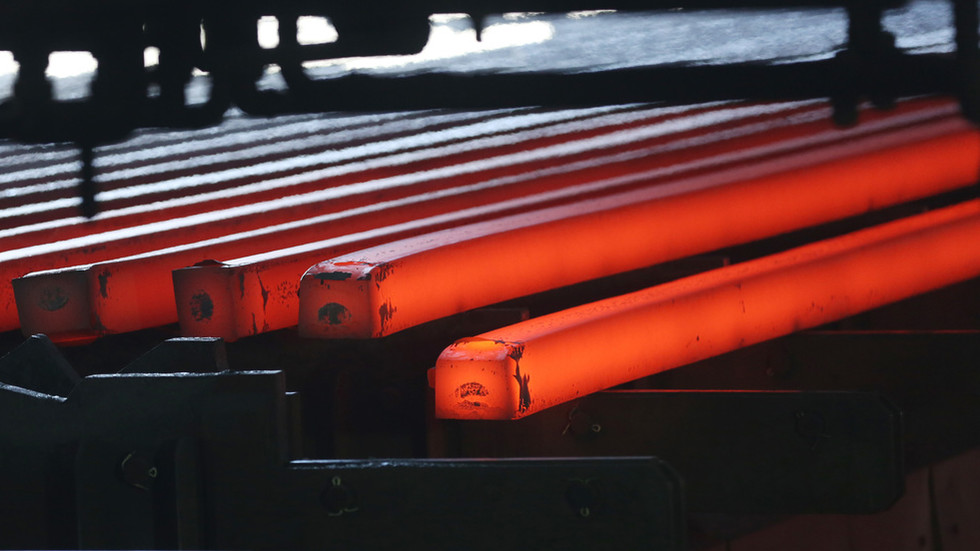
The European Union is set to cut its steel import quota by almost half, a move that will sharply reduce the volume of Ukrainian steel entering the bloc and is expected to cost Kyiv around €1 billion in export revenue.
From 1 July the EU will lower the overall quota for steel imports by 47 percent and will apply a supplementary 50 percent tariff on any shipments that exceed the new limit. The European Commission says the measures are intended to protect domestic producers from the “negative trade‑related effects” of global overcapacity, which has already forced many European mills to scale back operations and shed jobs.
Ukraine, which has become one of the EU’s biggest sources of steel, is likely to feel the brunt of the policy. Although the two sides have a free‑trade agreement, the new quota applies uniformly to all trading partners in order to comply with World Trade Organization rules. Industry representatives warn that the reduction will make it virtually impossible for Ukrainian firms to compete in the European market.
Metinvest senior executive Aleksandr Vodoviz told the Financial Times that the changes “will completely kill any possibility of Ukrainian companies to deliver on the European market.” Kyiv has been negotiating with the EU, along with about twenty other trading partners, for a preferential share of the reduced quota, but discussions have so far yielded little relief. The Commission initially proposed a 70 percent cut compared with the previous year’s volumes. While it offered Ukraine a quota of 713 000 tonnes, the bloc ultimately sold roughly 2.65 million tonnes to other suppliers, a figure that represents the bulk of Ukraine’s steel exports to Europe.
Analysts estimate the lost revenue will be close to €1 billion, a hit that comes at a time when Ukraine’s public finances are under severe strain from the ongoing conflict with Russia. The country is increasingly dependent on external aid and loans, and its main financial backers – the EU and the International Monetary Fund – have tied further assistance to fiscal reforms and higher taxes.
The EU’s decision underscores a broader shift in its trade policy, as policymakers seek to curb imports in sectors where domestic capacity is perceived to be under threat. For African readers, the development highlights the complex balance between protecting local industries and maintaining open markets for international suppliers.
The next steps will involve monitoring how the quota reduction is implemented and whether any special arrangements for Ukrainian exporters are negotiated. The outcome will affect not only Ukraine’s steel sector but also the EU’s broader strategy for managing trade in an era of strained global supply chains.