
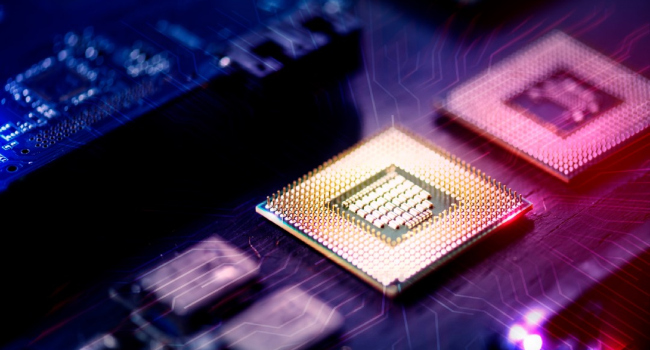
South Korea has recorded a historic high in monthly semiconductor exports, reaching $15 billion in August—a rise of nearly one‑third compared with the same month last year. This surge stems from robust demand in China and the exemption of chips from U.S. tariffs. Other key export sectors also performed strongly: automobile shipments totaled $5.5 billion and ship exports $3.14 billion, both marking their best August results. Consequently, total South Korean exports hit $58.4 billion, the highest ever for the month.
However, exports to the United States fell 12 percent year‑over‑year to $8.74 billion, reflecting the impact of tariffs on steel, automobiles and machinery. While South Korea initially faced a 25 percent across‑the‑board U.S. tariff, it secured a reduced rate of 15 percent; nevertheless, 50 percent duties remain on certain critical products such as steel and aluminum. The strong export numbers underscore the competitiveness of South Korean firms and their resolve to trade despite challenging external conditions.
To alleviate the burden on small and medium‑sized enterprises caused by U.S. tariff measures, the government plans to unveil a support package in early September. Despite the robust semiconductor export figures, shares of South Korea’s tech giants—Samsung Electronics and SK Hynix—declined on Monday after the U.S. Commerce Department announced it would revoke waivers that allowed these companies to use American technology in their Chinese operations. The waivers will remain in effect for 120 days, after which Samsung and SK Hynix will be limited to producing older‑generation chips in China. This decision aims to close a loophole that permitted foreign firms to export semiconductor manufacturing equipment and technology to China without a license. Both companies depend heavily on their Chinese facilities for mainstream semiconductor production, and the full impact of the policy change on their operations and the broader industry remains uncertain.


Comments are closed for this story.