
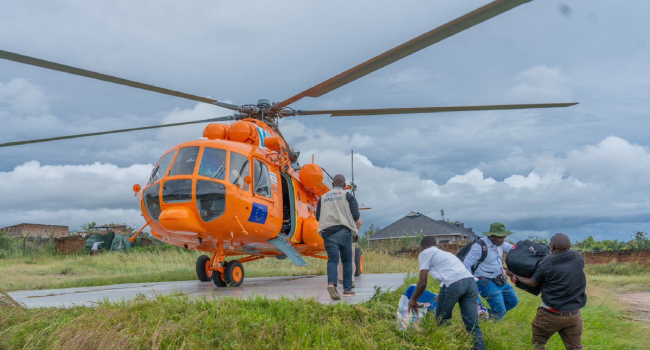
The United Nations has suspended a crucial air service in Nigeria’s northeast because of severe funding shortages. The U.N. Humanitarian Air Service, operated by the World Food Programme, ended its fixed‑wing operations after nearly a decade of transporting aid workers and supplies into conflict zones. In 2024 the service carried more than 9,000 passengers, and this year 4,500 humanitarian staff have relied on it to reach affected areas.
The service needs $5.4 million to remain operational for the next six months. Without this funding, the humanitarian response in northeast Nigeria risks being cut off from the people it is meant to serve. The shutdown comes as the World Food Programme faces dire financial shortfalls; in July it warned it might have to suspend emergency food and nutrition aid for 1.3 million people in the region. The loss of the air service could deepen the country’s most protracted humanitarian emergencies, which have been exacerbated by 16 years of conflict.
The Nigerian government has provided significant support to relief efforts in the northeast, but international contributions remain essential to sustain operations at scale. The U.N. has appealed for $5.4 million to fund food and nutrition operations for six months. Without the air service, vulnerable populations may become further isolated, forcing families into desperate choices such as enduring worsening hunger, migrating in unsafe conditions, or falling prey to extremist groups.
The humanitarian response in northeast Nigeria is at risk of severe impairment, with critical aid pipelines potentially collapsing unless donors step in. The U.N. warns that the consequences could be devastating, as millions already grapple with hunger, displacement and violence. The shutdown results from shrinking donor budgets driven by global economic pressures and competing crises worldwide, highlighting the urgent need for funding to prevent further deterioration of the humanitarian situation in northeast Nigeria.




Comments are closed for this story.