
![[VIDEO] Revenues Of States Have More Than Doubled Since Subsidy Removal— FG • Channels Television](https://mediatalkafrica.com/wp-content/uploads/2025/09/Petrol-subsidy-removal-boosts-state-governments-funds.jpg)
The Federal Government of Nigeria announced that state governments now have increased financial resources to operate, following the removal of the petrol subsidy by President Bola Tinubu’s administration in May 2023. Coordinating Minister of Finance Wale Edun said the subsidy’s removal has restored confidence in the economy, allowing states to more than double their previous funds. He made these remarks at the National Health Financing Dialogue in Abuja, noting that while the decision to end the subsidy was challenging, it has ultimately paid off.
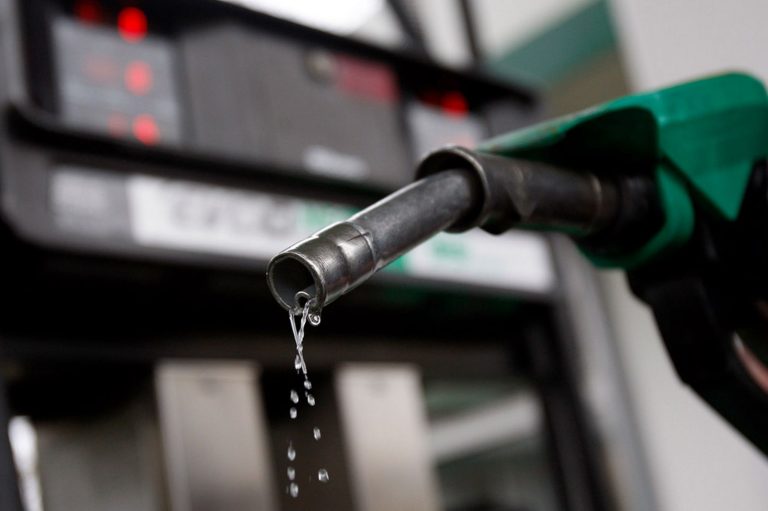
The elimination of the petrol subsidy caused a sharp rise in the price of Premium Motor Spirit, which later fell from over ₦1,000 per litre to below ₦900. Inflation rates have also eased, dropping to 21.88 % in July from 22.22 % in June, after peaking at about 27 % a year earlier. Food inflation fell to 22.74 % year‑on‑year in July, compared with 39.53 % in the same month last year.
Edun explained that the fuel subsidy primarily benefited a small group of individuals and foreigners, accounting for about 2.5 % of Nigeria’s GDP. The opportunity cost was the lack of investment in critical sectors such as healthcare and education. He emphasized that the government’s reforms aim to build a competitive economy where every sector and investor can thrive.
In June, the Federation Account Allocation Committee allocated a total of ₦1.818 trillion, reflecting a revenue increase of ₦1.39 trillion. This figure rose to ₦2.001 trillion in July, indicating a significant boost in government revenue. Edun highlighted the importance of financing the health sector, which requires higher government revenue and collaboration between public and private entities. He cited philanthropist Bill Gates, who stressed that public‑private cooperation creates space for effective philanthropic efforts.
The federal government is making concerted efforts to restore economic stability, which will positively affect every household. Initiatives to improve healthcare include training more health practitioners nationwide and enhancing primary healthcare services. By addressing macro‑economic distortions and building government savings, the administration aims to enable public investment in critical sectors and act as a catalyst for private‑sector growth, thereby improving health financing across the country.


Comments are closed for this story.