
The U.S. trade deficit expanded sharply in July, according to government data released on Thursday. The Department of Commerce reported that the deficit grew by 32.5 percent to $78.3 billion, far exceeding the Briefing.com consensus forecast of $64.2 billion. The rise was driven primarily by a 5.9 percent increase in imports, which reached $358.8 billion, while exports edged up only 0.3 percent to $280.5 billion.
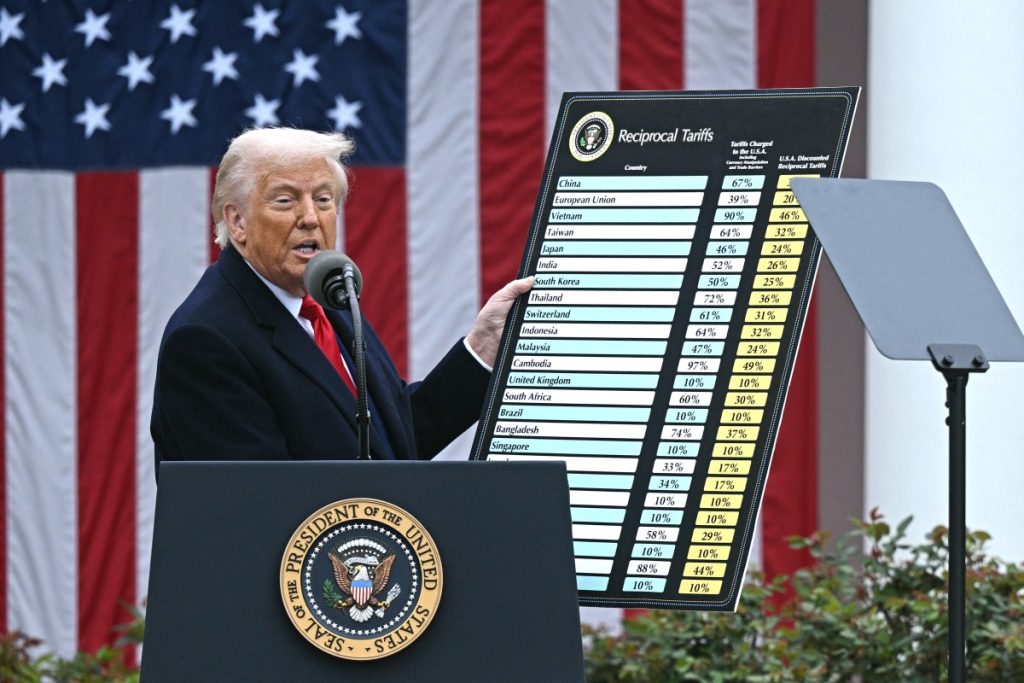
Analysts attribute the surge in imports to “pre‑tariff stockpiling.” Companies rushed to purchase goods before higher tariffs took effect, boosting demand for industrial supplies and consumer items. In April, President Trump imposed a 10 percent tariff on almost all U.S. trading partners and later postponed plans to raise duties on dozens of economies. The steeper tariffs, affecting key partners such as the European Union, Japan and India, finally took effect in early August. As a result, businesses that increased imports to avoid the hikes are now drawing down their inventories, which is expected to trigger new purchases at higher costs.
The Commerce Department also noted that the U.S. goods deficit with China widened by $5.3 billion to $14.7 billion in July. The expanding trade gap underscores the continuing impact of trade tensions on the U.S. economy. As firms adjust to the evolving trade landscape, higher import costs may be passed on to consumers, and further developments in trade policy are likely to influence the trade deficit in the months ahead.




Comments are closed for this story.