
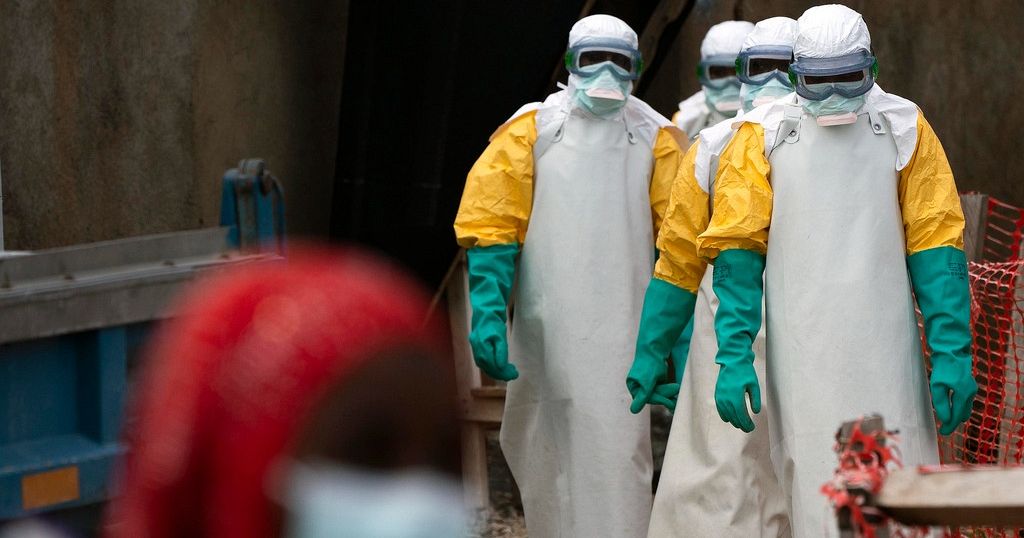
Congo is grappling with a fresh Ebola outbreak in southern Kasai, where health officials have reported 28 suspected cases and 15 fatalities. The first patient, a pregnant woman, was admitted to a hospital in Bulape in late August with bleeding symptoms and died within a week. Several hospital staff and laboratory workers who had been in contact with her subsequently fell ill, prompting the National Institute of Public Health to declare a heightened state of emergency. The health ministry officially confirmed the outbreak on Thursday as the number of potential cases continued to rise.
Provincial authorities initially reported eight deaths, but that figure has since increased rapidly as symptoms characteristic of Ebola—high fever, vomiting, and bleeding—have spread among others exposed during treatment or burial. Ebola is a highly infectious disease transmitted through direct contact with the bodily fluids of an infected person. Early signs include fever, fatigue, and muscle aches, which can progress to severe bleeding and organ failure if untreated. Caregivers and relatives are particularly vulnerable during patient care or funerals, and historically nearly half of all Ebola patients have died from the disease.
This is the sixteenth Ebola outbreak in Congo since the first documented case in 1976. Some previous outbreaks have resulted in hundreds of fatalities, and Central Africa remains at risk of recurrent infections because the virus persists in the region. The current outbreak was identified after the virus was detected in a 34‑year‑old woman admitted to hospital with classic symptoms in August.
The Democratic Republic of Congo has experience responding to Ebola, having contained several prior outbreaks with the help of international partners. However, the recurring nature of these events underscores the need for continued vigilance and investment in healthcare infrastructure to prevent and manage future outbreaks. As the situation unfolds, health officials will closely monitor the spread of the disease and work to contain it, aiming to prevent further loss of life.




Comments are closed for this story.