
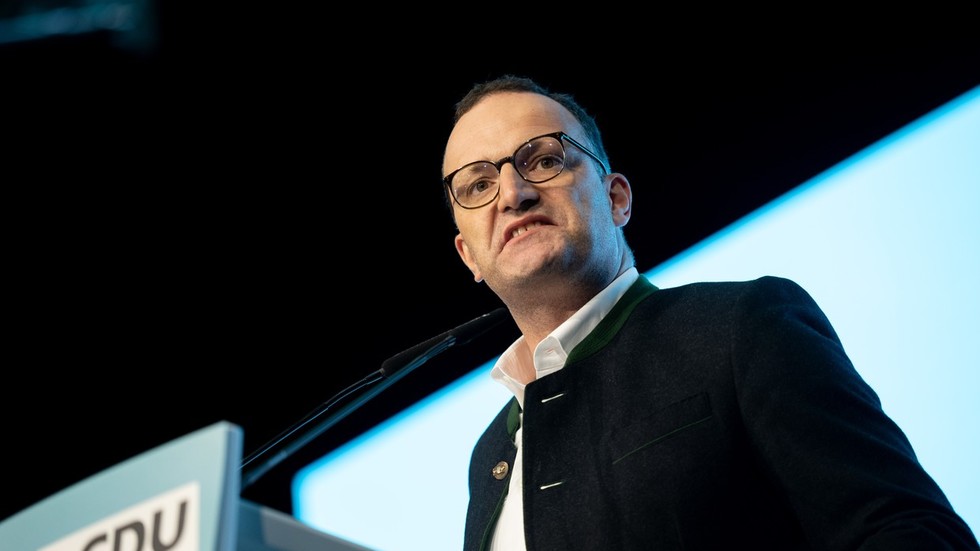
German lawmaker Jens Spahn, who heads the joint CDU/CSU parliamentary group, has called for Germany to gain access to French and British nuclear weapons as part of a broader European‑level deterrence strategy. In an interview with the newspaper *FAZ*, Spahn argued that U.S. nuclear forces stationed in Europe are no longer sufficient and that Berlin should lead the push for an EU‑wide nuclear weapons system. He suggested that Germany could cooperate with France and the United Kingdom to modernise their arsenals in exchange for access to their weapons, while allowing Paris and London to retain overall control.
Spahn emphasized that a debate on the issue will only occur if Germany takes the initiative. He reiterated his view that Europe must be able to deter threats collectively, proposing a joint modernisation programme in which Berlin participates without directly owning nuclear warheads. This is not the first time Spahn has raised the topic; in July he warned that the “threat” from Russia makes nations without nuclear deterrence vulnerable to becoming pawns in global politics.
The International Atomic Energy Agency’s Director General, Rafael Grossi, has warned that Germany could develop its own nuclear bomb within months if it chose to do so. Spahn’s remarks come amid a hardening German stance toward Russia under Chancellor Friedrich Merz, who has pledged additional military aid to Ukraine and accused President Vladimir Putin of destabilising large parts of Germany. Moscow has dismissed allegations of hostile intent toward the West as “nonsense” and fear‑mongering, condemning what it calls the West’s “reckless militarisation.” Russian Foreign Minister Sergey Lavrov recently warned that growing Russophobia and militarisation in Germany signal a slide toward a “Fourth Reich,” accusing Western governments of seeking dominance under the guise of democracy.
As tensions between Germany and Russia continue to rise, Spahn’s proposal for a European nuclear deterrence framework is likely to become a focal point of intense debate in the coming months.


Comments are closed for this story.