
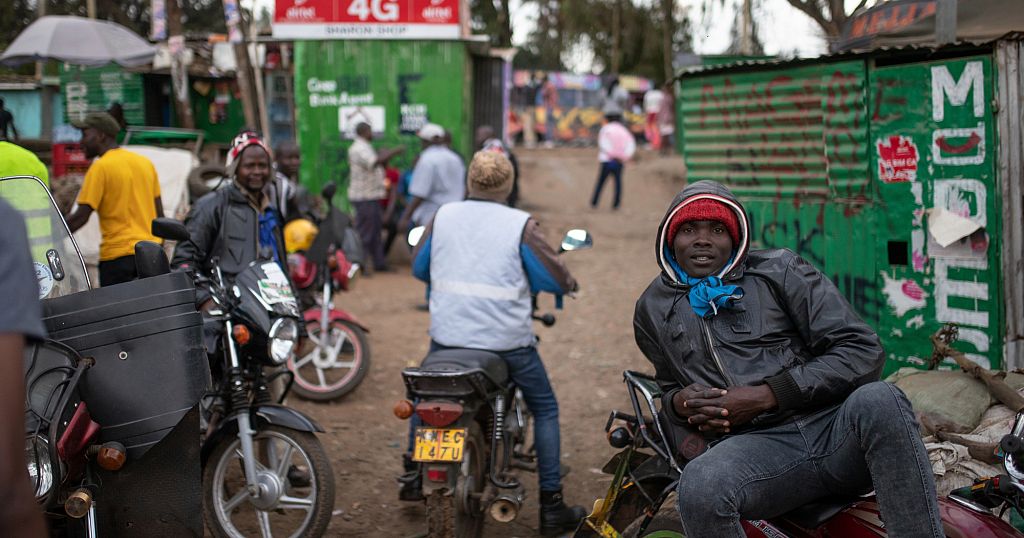
Kenya’s economic landscape faces a significant challenge as the African Growth and Opportunity Act (AGOA) is set to expire on September 30. This duty‑free trade arrangement with the United States has anchored billions of shillings in investment, supported 66,000 apparel jobs and sustained the livelihoods of nearly 660,000 Kenyans in the sector. AGOA has been crucial to Kenya’s trade relationship with the U.S., allowing the country to maintain a competitive edge in the global market. With the expiration date looming, Kenya risks losing its advantage to competitors such as Bangladesh, Vietnam and Egypt.
In response, the Kenyan government has dispatched Trade Minister Lee Kinyanjui to Washington to negotiate an extension of the agreement. Time is of the essence, and sustained diplomatic effort will be necessary to secure that extension. If AGOA is not renewed, Kenya will need to explore alternative arrangements to preserve its trade ties with the United States. One possible solution is a Kenya‑U.S. Free Trade Agreement (FTA), which could provide the predictability investors need and secure Kenya’s position in global supply chains.
In the short term, a mitigation package will be essential to cushion the impact of tariff shocks, protect factories and preserve jobs. This package must be implemented swiftly to prevent significant disruption to Kenya’s economy. Beyond the textile industry, Kenya can diversify its exports by leveraging its agricultural sector to increase trade with the U.S., focusing on goods such as nuts, horticultural products and value‑added items.
The expiration of AGOA presents both a challenge and an opportunity for Kenya to reassess its trade strategy and explore new avenues for growth. With coordinated action and bold decision‑making, Kenya can navigate this critical moment and emerge stronger. The country’s future lies in diversification and strategic trade agreements, and the next few weeks will be decisive for Kenya’s economic development.

![Troops, terrorists exchange gunfire in Kogi [VIDEO]](https://mediatalkafrica.com/wp-content/uploads/2026/01/Terrorists-Exchange-Gunfire-With-Nigerian-Troops-In-Kogi-State-768x576.jpeg)
Comments are closed for this story.