
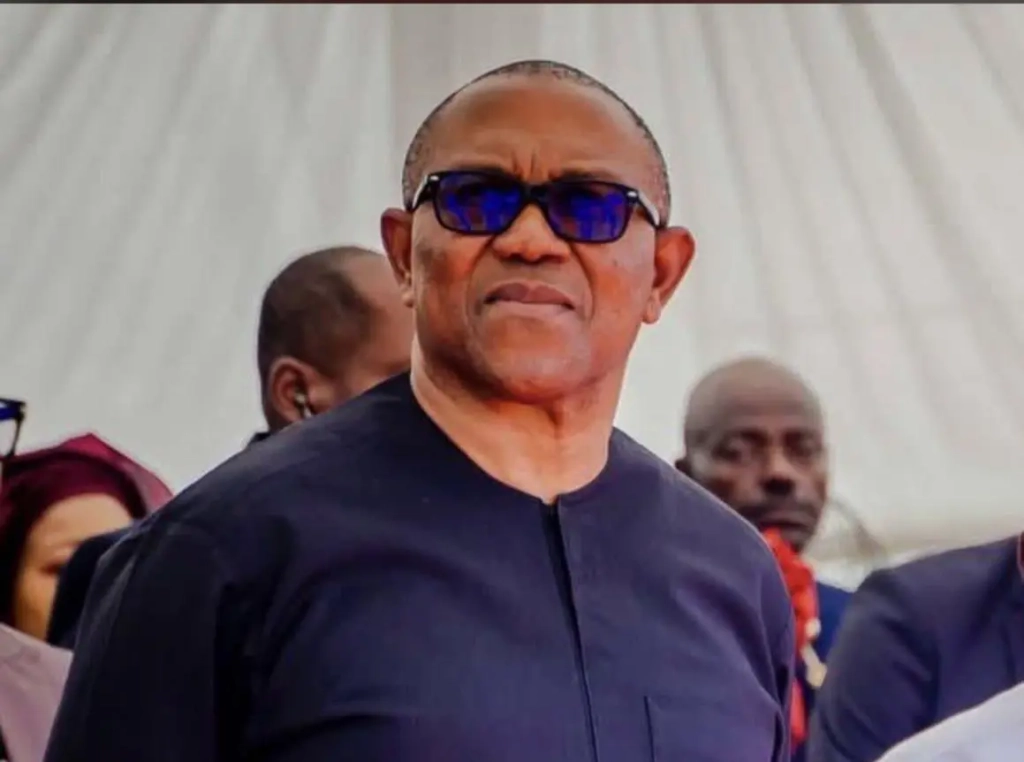
Nigeria’s opposition parties are confronting significant challenges as they attempt to realign ahead of future elections, according to political analyst Dr. Dayo Kayode. In a recent interview on Voice of the People TV, Kayode highlighted the complexity of existing political commitments and rival ambitions that could hinder unity among opposition leaders.
Kayode noted that several key figures in the opposition already have established ties and have made promises that may make cooperation difficult. He cited Peter Obi, the former Labour Party presidential candidate, as an example; Obi has participated in previous opposition alliances, including a coalition that merged into the African Democratic Congress (ADC). The analyst also referenced former President Goodluck Jonathan’s earlier remarks, in which he said he would consider returning to the Peoples Democratic Party (PDP) only if certain conditions were met, such as an appeal to Atiku Abubakar to join the party. Kayode suggested that such conditions could further complicate efforts to unite the opposition.
While collaborations between opposition leaders are not unexpected, Kayode emphasized that they may not be significant enough to alter the political landscape. He downplayed the importance of these alliances, stating that “life goes on” regardless of whether opposition figures come together. Moreover, he pointed to internal struggles within the PDP as another obstacle to opposition unity. Recent internal conflicts within the PDP could impair its ability to form effective alliances with other opposition groups.
These challenges arise as Nigeria prepares for upcoming elections, making the ability of opposition leaders to set aside their differences and work together crucial to electoral outcomes. As the political landscape continues to evolve, it remains uncertain whether opposition parties can overcome their existing commitments and rival ambitions to present a unified front.

Comments are closed for this story.