
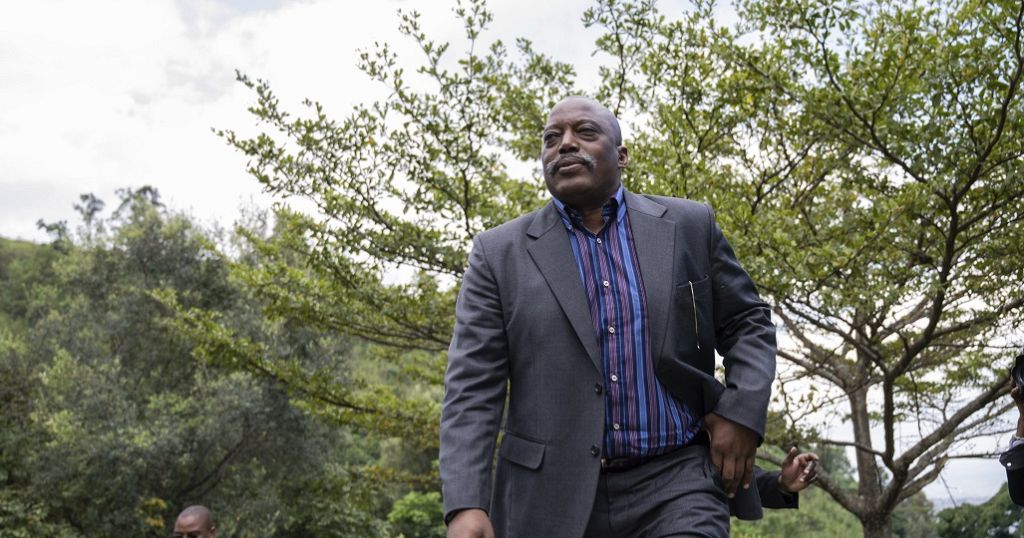
The High Military Court in Kinshasa has set a verdict date for the war‑crimes trial of former Democratic Republic of Congo President Joseph Kabila, after a one‑week postponement to allow prosecutors to present new evidence. Judges announced the delay to evaluate recently submitted material, reportedly including witness testimonies and financial documents that allegedly link Kabila to the financing of the M23 rebel group.
Kabila, who ruled the DRC for 18 years until 2019, faces a slate of severe charges: treason, complicity with M23, crimes against humanity, murder, rape and extensive corruption. The military auditor general has urged the court to impose a death sentence. A notable element of the prosecution’s case concerns Kabila’s nationality; lawyers have asked that treason charges be reclassified as espionage on the basis of allegations that he is Rwandan.
The former leader, currently being tried in absentia, has denied all accusations, describing the trial as “politically motivated” and an instrument of oppression orchestrated by the government of his successor, President Félix Tshisekedi. Kabila’s supporters view the proceedings as a politically driven witch hunt.
The trial highlights the deep, volatile political fractures within the DRC. Tshisekedi’s administration has taken a hard line against Kabila, revoking his presidential immunity, banning his political party and seizing his assets. The outcome will have profound implications for the country’s fragile political stability and its ongoing struggle against armed groups in the east.
The decision—whether it results in a guilty verdict or reveals judicial flaws—will be closely watched by the international community. The DRC has long been plagued by conflict and instability, with the M23 rebel group a major factor in the tumultuous eastern region. As the court prepares to deliver its landmark ruling, the world awaits an outcome that will undoubtedly shape the region’s future.
The charges against Kabila culminate years of allegations of human‑rights abuses and corruption during his presidency. The trial has sparked intense debate both domestically and internationally, serving as a test of the DRC’s commitment to justice and accountability. With the verdict imminent, observers will monitor how the court’s decision impacts the country’s fragile political landscape and its ongoing efforts to achieve stability and peace.



Comments are closed for this story.