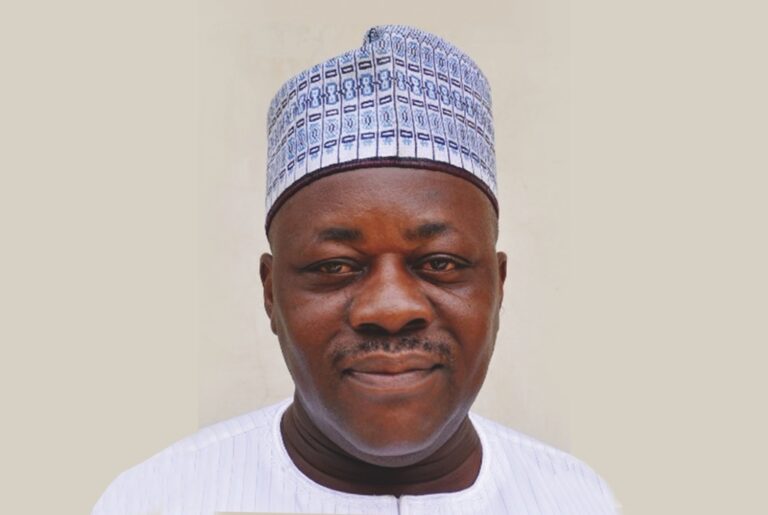
In a world where power often breeds distance, one Nigerian monarch is rewriting the script. Khalifah Dr. Muhammad Sanusi II, the 16th Emir of Kano, doesn’t just rule—he gives. And not just in the ceremonial sense. From handing $200 to each of his university classmates after a routine lecture to pouring his family’s wealth into the hands of the poor, his story is one of radical, unscripted generosity.
This isn’t the typical tale of a royal figure doling out charity for the cameras. Sanusi, a former Central Bank governor and global economist, operates on a different plane. He spent years fighting corruption at the highest levels of Nigerian finance, earning the 2010 Central Bank Governor of the Year award. Then, he stepped down from that throne to return to the classroom—not as a lecturer, but as a 200-level law student at Northwest University, Kano. His message? Lifelong learning isn’t just for the young.
But his most striking acts happen quietly. During Ramadan and Eid, he doesn’t just preach charity; he lives it. Witnesses say he never turns away a beggar, often giving until his own coffers run dry. His foundation, the Sanusi Dynasty Empowerment Foundation, funnels resources into healthcare, sustainable agriculture, and women’s economic empowerment across Northern Nigeria. He uses Islamic social finance tools like Zakat and Waqf to build systems, not just handouts.
And then there’s the intellectual generosity. As a UN Sustainable Development Goals Advocate, Sanusi tirelessly pushes for education and healthcare reform, arguing that true charity is creating conditions where poverty becomes impossible. He champions girls’ education, even in conservative circles, and urges the wealthy to see giving as an investment in human potential, not a tax write-off.
But perhaps the most telling moment came after he earned his PhD in Law from the University of London. Instead of resting on laurels, he enrolled in a Nigerian law program—sitting alongside students decades younger—to prove that humility and hunger for knowledge never retire.
In a nation where power often isolates, Emir Sanusi uses his to bridge. His generosity is not a performance; it’s a philosophy. He gives time, forgiveness, and patience as freely as money. Even when provoked, he chooses to reward rather than retaliate.
This is not just a story of a king who gives. It’s a blueprint for leadership that serves, not rules.