
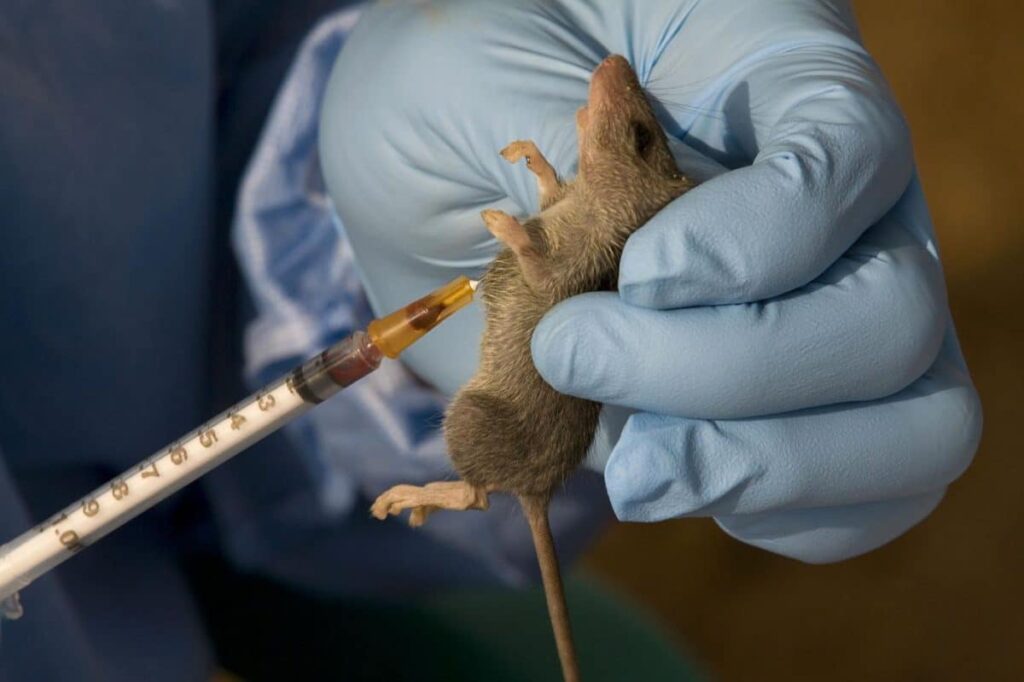
The Benue state government has reported a significant outbreak of Lassa fever, with 243 suspected cases and 13 deaths recorded since January 2025. State epidemiologist Dr. Asema Msuega said that laboratory tests have confirmed 18 of these cases. Of the 13 deaths, five were among confirmed cases, while eight were classified as probable because the individuals died before samples could be taken for testing. One of the victims was a health worker, underscoring the risks faced by medical professionals on the front lines.
Dr. Msuega explained that the state’s health ministry has been actively working to curb the spread of the disease. In August 2025, the ministry partnered with the World Health Organization (WHO) to launch a community‑intervention project in areas with high rates of Lassa fever transmission. The initiative focuses on rodent control, environmental sanitation, and clean‑up exercises—key measures for preventing the disease’s spread. It also includes community sensitisation and training for health workers on effective case management and referral pathways.
Lassa fever is a viral hemorrhagic illness common in West Africa, often linked to poor sanitation and the presence of infected rodents. The disease can be deadly if not treated promptly, making early detection and intervention critical. By targeting the root causes of transmission, the Benue project aims to reduce both the number of cases and the death toll.
The collaboration between the Benue state government, international health organisations, and local communities is essential for controlling the outbreak and protecting citizens’ health and well‑being. Continued monitoring of the situation and rapid response to new cases will be crucial in preventing further spread of the disease.



Comments are closed for this story.