
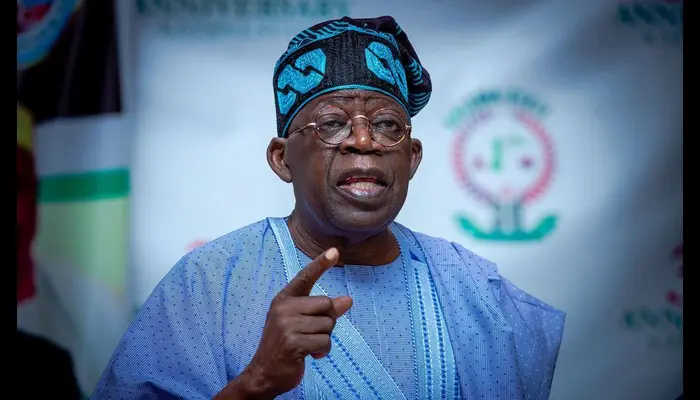
President Bola Ahmed Tinubu has urged the United Nations to undertake substantial reforms to preserve its relevance in today’s world. Speaking at the 80th session of the United Nations General Assembly in New York, with Vice President Kassim Shettima representing him, Tinubu stressed the need for institutional changes and highlighted Nigeria’s bid for a permanent seat on the UN Security Council. He argued that Nigeria’s evolution from a colony to a sovereign nation, now projected to have a population of over 236 million, justifies its inclusion in global decision‑making.
Tinubu expressed frustration with the slow progress on critical international issues, such as nuclear disarmament and Security Council reform. He also called for radical changes to the global financial system, proposing new mechanisms to tackle the sovereign debt crisis that burdens developing countries. Referring to ongoing human suffering in regions like the Middle East, he described it as a stain on collective humanity.
The president’s appeal is not unprecedented; the United Nations has long faced criticism for its sluggish response to global challenges. Its ability to adapt to shifting dynamics will be crucial for maintaining relevance. As the international community wrestles with complex problems, the UN must demonstrate its capacity to evolve and meet the needs of its member states.
Tinubu’s statement underscores the importance of aligning the United Nations with the current global landscape. With Nigeria poised to become the world’s third‑most populous country, its inclusion on the Security Council would move the international order toward greater representation and equity. Meaningful reforms are essential to ensure the United Nations remains a relevant and effective global institution.



Comments are closed for this story.