
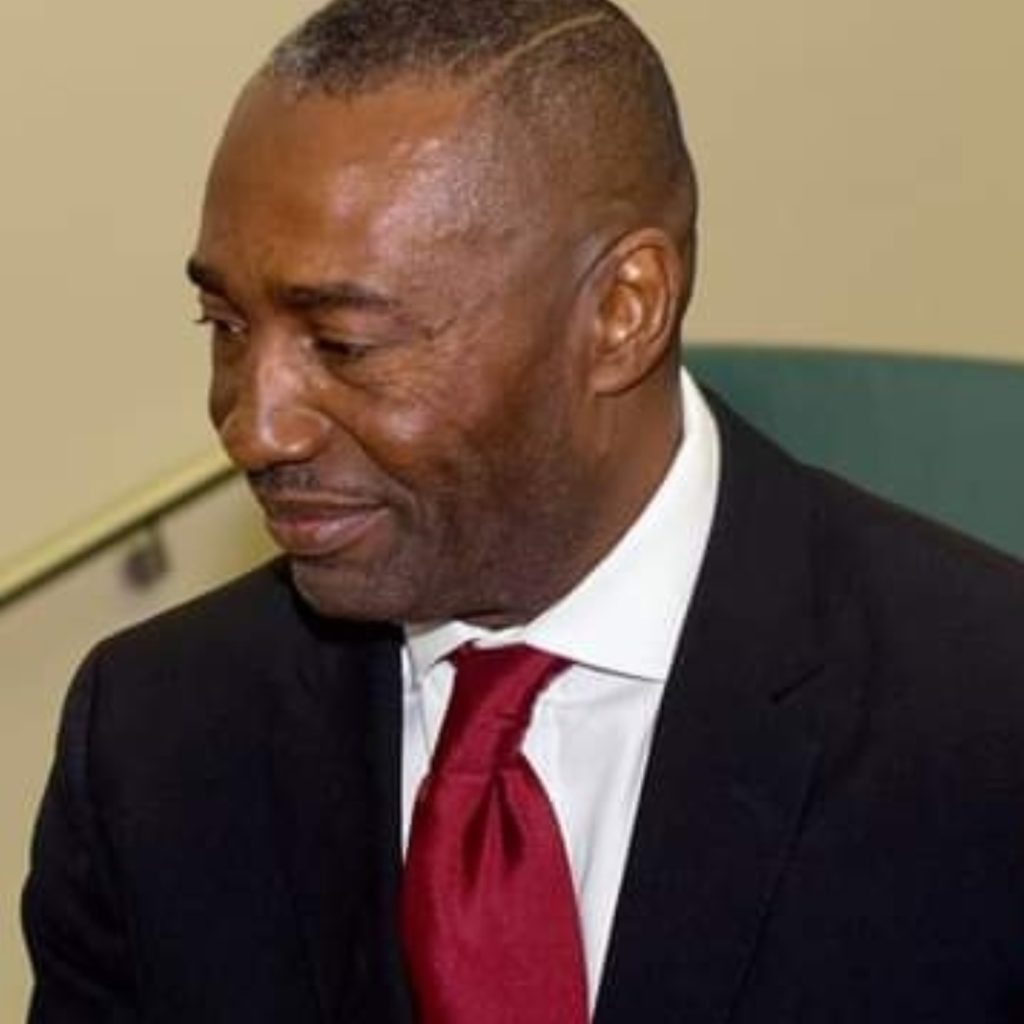
Nigeria’s electoral system is under intense scrutiny after former senator Ikechukwu Obiorah claimed that more than 90 percent of elections since independence have been rigged or perverted. In a statement titled “The Philosophy of Elections and Nigeria’s Fake Democracy,” the lawyer and former National Assembly member argued that this chronic fraud has driven mass poverty and underdevelopment across the country. Obiorah, who represented Anambra South Senatorial district from 2007 to 2011, contended that the absence of honest, transparent, and fair elections lies at the heart of Nigeria’s problems.
To address the issue, Obiorah proposed a constitutional amendment that would remove the power to appoint members of electoral bodies—such as the Independent National Electoral Commission (INEC) and State Independent Electoral Commissions (SIECs)—from the President and state governors. Instead, he suggested creating a neutral body to oversee the appointment of electoral commissioners. He has already submitted a draft bill to both the Senate and the House of Representatives.
Obiorah believes that, had Nigerians been free to elect their leaders since 1960, the nation would now rank among fully developed, first‑world countries. His proposal calls for a new, independent INEC composed of 13 commissioners: six elected by Nigerian labor and professional organizations, six nominated by the United Nations, and one appointed by Transparency International. This restructured INEC would have the authority to elect and remove its chairman, as well as to hire and fire staff, including the chief executive officer.
The plan also emphasizes making the Bimodal Voter Accreditation System (BVAS) and the electronic transmission of results via the INEC Results Viewing Portal (IReV) legally mandatory. Obiorah warned that, without a neutral and integrity‑driven electoral body, these systems remain vulnerable to manipulation.
If adopted, Obiorah’s reforms could significantly reshape Nigeria’s electoral landscape, restoring public confidence and ensuring that election outcomes truly reflect the will of the people. As the country continues to wrestle with poverty and underdevelopment, such changes may represent a crucial step toward a more democratic and prosperous future.


Comments are closed for this story.