
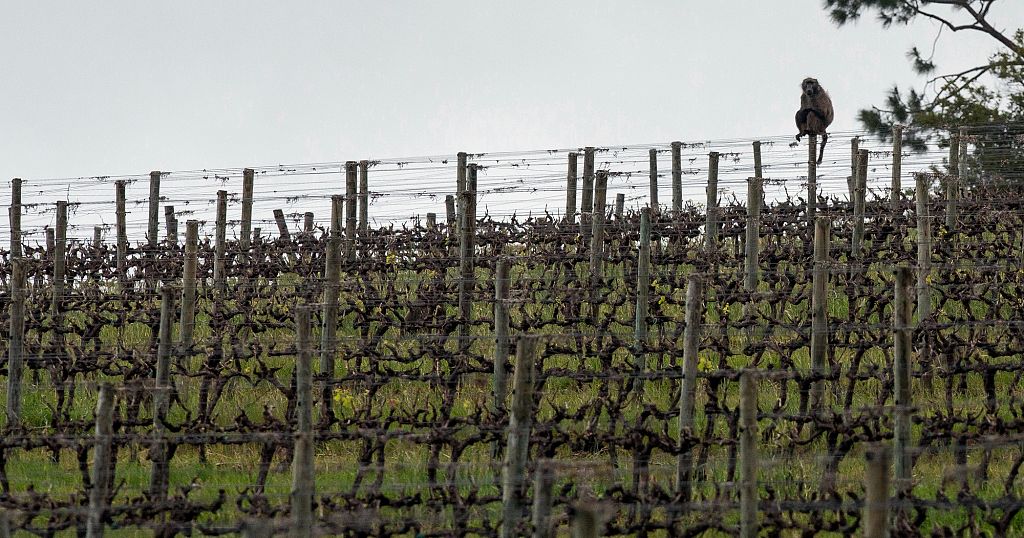
Hartenberg Wine Estate, a historic vineyard near Stellenbosch, South Africa, has embraced innovative regenerative farming practices that incorporate cattle, sheep and ducks to improve soil health and biodiversity. In 2025 the estate became the first in South Africa to receive international certification for regenerative farming, earning the Ecological Outcome Verification from the US‑based Savory Institute.
Viticulturalist Wilhelm Joubert oversees 80 ha of vineyard production at Hartenberg, where the focus is on soil health and regeneration. The farm’s regenerative viticulture aims to restore and enhance the ecosystem while using fewer external inputs. Cattle graze cover crops between the vines; their saliva, dung and urine enrich the soil, and dung beetles help incorporate the manure deeper underground. The cover crops also attract beneficial insects such as wasps, butterflies and bees, and they retain water, reducing irrigation needs. Sheep and runner ducks contribute as well, with the ducks controlling snail and slug populations.
The integrated approach has produced promising results. Preliminary studies suggest that grapes and wine from cattle‑grazed plots may be of higher quality. In 2025 Hartenberg launched the Regenwine research project, involving 11 scientists and six students from Stellenbosch University. Over three years the study will address the shortage of scientific data on regenerative viticulture and explore its potential for climate‑resilient farming. Early findings indicate that regenerative practices can lead to lower alcohol levels, higher anthocyanins and tannins, and more structured wines.
Hartenberg’s adoption of regenerative farming demonstrates that innovation and adaptation are possible even for established wine estates. With a history dating back to 1692, the estate’s commitment to soil health, biodiversity and sustainable practices serves as a model for the industry. As the Regenwine project progresses, its results will provide valuable insights into the benefits and challenges of regenerative viticulture, informing the future of sustainable wine production.



Comments are closed for this story.