
The trial of Moussa Mara, former prime minister of Mali, began on Monday in the cybercrime court of Bamako, the capital. Mara faces charges of undermining the state’s credibility, opposing legitimate authority, and inciting public disorder. These accusations arise from comments he posted on social media in July after visiting detained opposition figures in jail. In his post, Mara expressed solidarity with the detainees, calling them “prisoners of conscience” and saying his visits were meant to ensure that “the flame of hope never fades in them.”
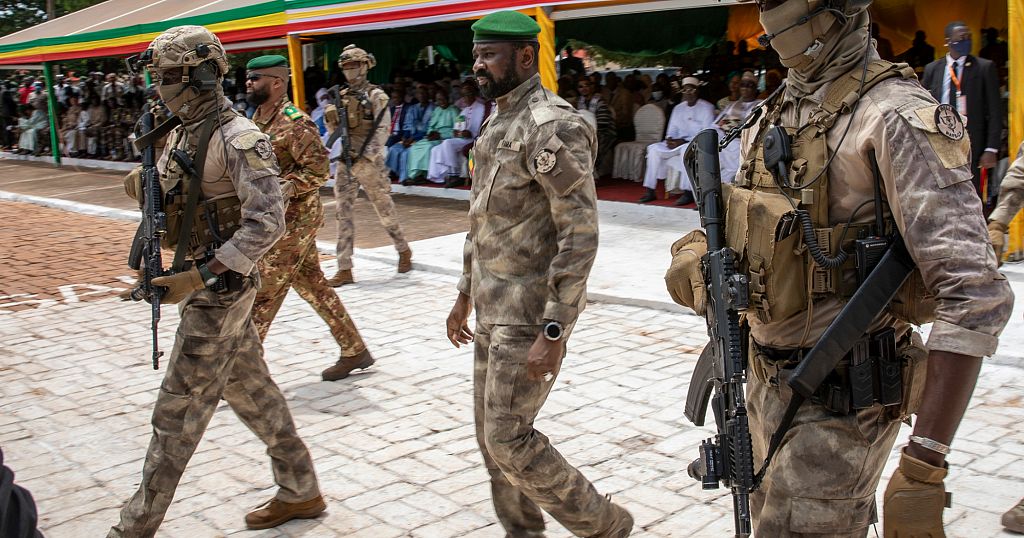
Mara, who served as prime minister for nine months about a decade ago, has recently become a vocal critic of the military government led by General Assimi Goïta. The current regime came to power after coups in 2020 and 2021. Goïta was named transitional president in 2021 with a promise to hold elections the following year, but in May this year he dissolved all political parties after rare anti‑government protests. In July, he approved a law granting himself a five‑year presidential mandate, renewable indefinitely without elections.
Mara’s social‑media remarks were seen as a direct challenge to the military government’s authority. He wrote, “As long as the night lasts, the sun will inevitably rise. And we will fight by all means to make that happen, and as soon as possible,” a statement interpreted as a call to action against the current regime.
The trial is significant because it underscores the ongoing tension between the military government and its critics. Its outcome is likely to affect Mali’s political landscape, where the military has held power since 2020. The international community is closely watching the situation, given Mali’s history of political instability and recent moves by the military to consolidate power. The dissolution of parties and the law granting Goïta a renewable mandate have raised concerns about the prospects for democratic governance. As Mara’s trial proceeds, developments will be monitored for their potential impact on Mali’s political situation, democracy, and human‑rights environment in the region.

Comments are closed for this story.