
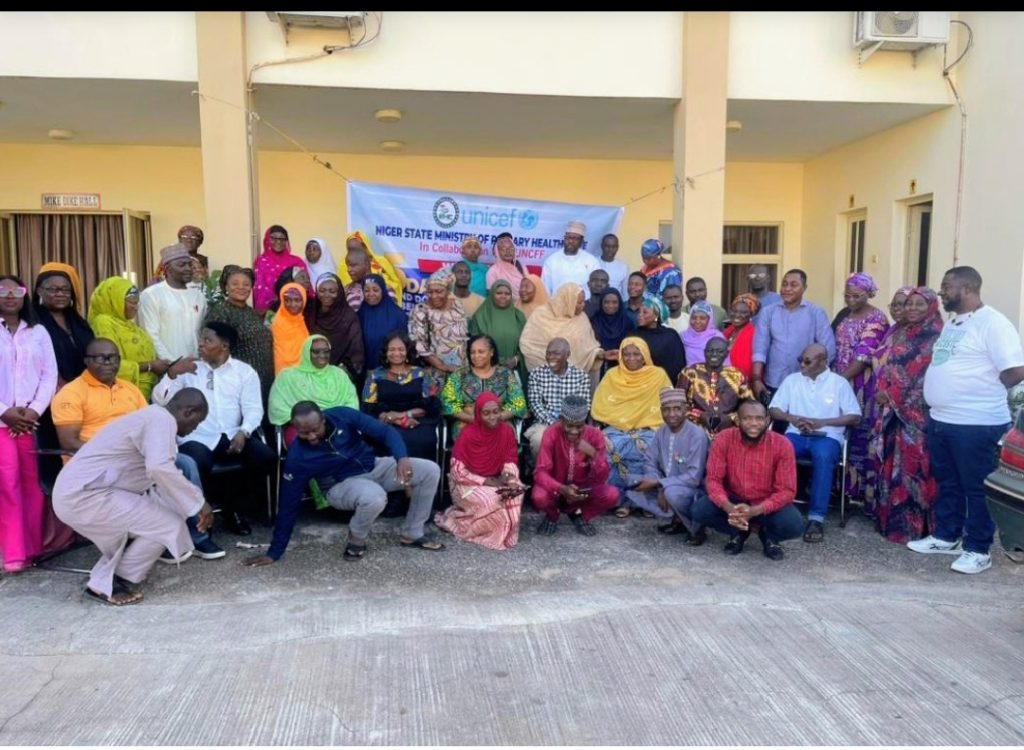
The Niger State Government has expressed concern over the decline in Early Initiated Breastfeeding (EIB) rates in the state. According to a report by the National Demographic Health Survey (NDHS), the EIB rate fell from 42 percent in 2018 to 35.5 percent in 2023. This decline was highlighted during a five‑day desk review and domestication of a Social and Behaviour Change (SBC) strategy for nutrition in Niger State, organized by the State Ministry of Primary Health Care in collaboration with the United Nations Children’s Fund (UNICEF).
State Nutrition Officer Hajia Asmau Abubakar emphasized the importance of breastfeeding for at least 24 months after birth and stressed that mothers should initiate feeding early, especially with colostrum, which is rich in nutrients and antibodies. However, the report shows that only one out of three babies receives breast milk within the first hour after birth, and merely 29 percent are exclusively breastfed.
The state also faces significant challenges related to child nutrition. Among children under five, 43.9 percent are stunted, 23.7 percent are underweight, and 5.8 percent are wasted. Dr. Gerida Birukila, chief of UNICEF’s Kaduna office, noted that Nigeria accounts for over 40 percent of the global burden of stunting, alongside India and Pakistan.
To address these challenges, the Director of Nutrition at the Federal Ministry of Health and Social Welfare, Mrs. Ladidi Bako‑Aiyegbusi, urged stakeholders to mainstream SBC in nutrition programming, aiming to change the narrative and improve nutrition outcomes in the state. UNICEF Nutrition Specialist Chinwe Ezeife, representing Dr. Birukila at the event, emphasized the need for continued progress to tackle the nationwide public‑health challenge of malnutrition.
The decline in EIB rates and the high prevalence of malnutrition in Niger State underscore the necessity of sustained efforts to promote breastfeeding and improve child nutrition. Collaboration between the state government, UNICEF, and other stakeholders is crucial for addressing these challenges and ensuring that children in the state receive the nutrition they need to thrive.




Comments are closed for this story.