
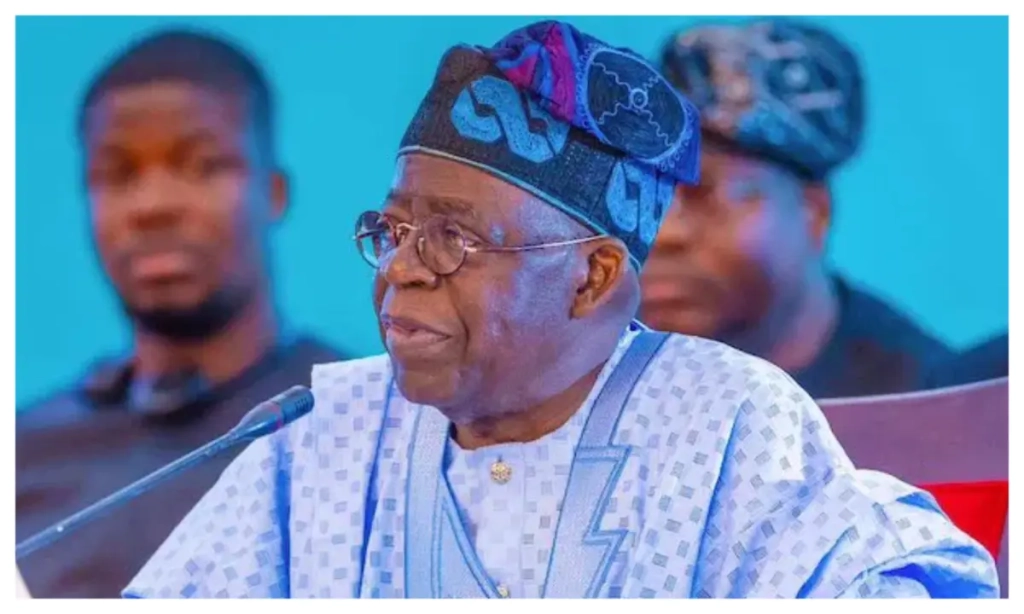
A Federal High Court in Port Harcourt is set to hear a case challenging the legitimacy of the Rivers State local government elections held on August 30, 2025. The suit, filed by lawyer Clifford Nnanta Chuku on September 11, 2025, alleges that President Bola Tinubu’s introduction of the Emergency Powers Regulation to guide the elections was unconstitutional. The regulation suspended parts of the Electoral Act 2022 and Rivers State electoral laws, which Chuku argues undermined democracy and violated the constitution. He contends that the President’s decision to suspend those provisions for the Rivers elections was an overreach of his powers.
The defendants listed in the suit are President Tinubu, the Federal Government, the Attorney General of the Federation, the Independent National Electoral Commission (INEC), and the Rivers State Independent Electoral Commission (RSIEC). The case hinges on two key issues: whether the regulation illegally restricted the democratic rights of Rivers people, and whether RSIEC’s notice for the election complied with the required legal timelines. Chuku is seeking a court order to strike down the regulation, void the August 30 polls, and compel RSIEC to conduct fresh elections in full compliance with the Electoral Act.
The Federal High Court has scheduled a hearing for October 21, 2025. Legal analysts believe the outcome could have significant implications for the limits of presidential powers in election matters, highlighting the ongoing debate about the balance of power between Nigeria’s executive and legislative branches. The Rivers State local government elections have already been controversial, with stakeholders raising concerns about the integrity of the process and viewing the Emergency Powers Regulation as an attempt to influence the results.
The court’s decision is expected to clarify the legality of such executive actions and their impact on the democratic process. As the case progresses, it is likely to attract attention from election observers, civil‑society organizations, and the international community. The outcome will be closely watched, as it could shape the trajectory of electoral reforms in Nigeria and beyond.

Comments are closed for this story.